Summer tomato recipes are so popular for a reason—when tomatoes are fully ripe, they bring bold flavor to even the simplest dishes with very little effort. Their natural sweetness, tender texture, and bright acidity make them perfect for salads, pasta, toast, soups, and quick skillet meals. For home cooks, tomato season is often one of the easiest times to build fresh, satisfying meals around a single ingredient.
Food educators often point out that seasonal recipes work best when the main ingredient is allowed to shine. Summer tomatoes rarely need heavy sauces or long preparation. A few well-chosen additions are usually enough to support their flavor while keeping the dish light and practical.
Why do summer tomato recipes work so well in seasonal cooking?
Ripe tomatoes are incredibly versatile. They can be served raw, gently warmed, roasted, or added toward the end of cooking. This flexibility makes it easy to use them across lunches, sides, and simple dinners.
Experts who focus on fresh ingredients often explain that in-season tomatoes have better flavor and texture than those grown out of season. That makes them ideal for simple recipes where their taste can really stand out—an important advantage in seasonal cooking.
1. Tomato and herb toast is one of the easiest summer tomato recipes
Tomato toast works because it keeps things simple. Just chopped or sliced tomatoes, a few herbs, and a sturdy piece of bread can come together into a satisfying snack or light meal without much effort. The contrast between the soft tomatoes and crisp toast adds to the appeal.
Cooking instructors often recommend recipes like this because they highlight ingredient quality. When tomatoes are at their peak, you don’t need much else to create a balanced dish.
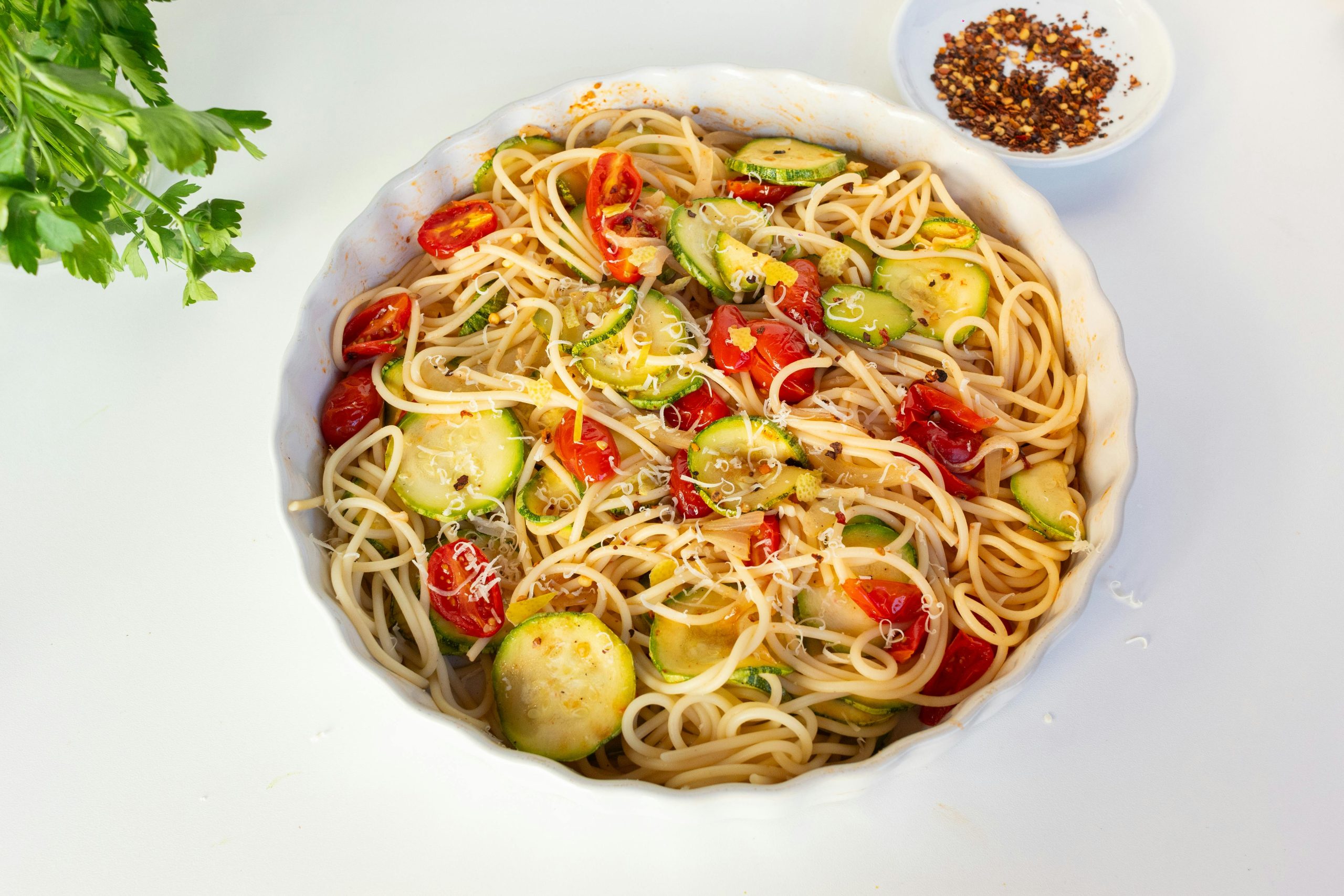
2. Simple tomato pasta keeps the ingredient at the center
A quick tomato pasta can be made with fresh chopped tomatoes, garlic, herbs, and a little oil. The idea isn’t to hide the tomatoes in a heavy sauce, but to let them soften just enough to lightly coat the pasta. The result stays fresh and light rather than overly rich.
Food writers often note that summer cooking benefits from shorter methods and fewer steps. A simple pasta built around ripe tomatoes fits that approach well, especially on warm days when long cooking times feel less appealing.
Credit: Laura oliveira / Pexels
3. Tomato salad can be more than a side dish
Tomato salad is often seen as a basic side, but it can easily become the main part of a light meal. Pair it with grains, beans, bread, or other simple additions, and it starts to feel more complete. Texture plays an important role here—tomatoes with a firm bite and full flavor make the dish more satisfying.
Fresh ingredient experts often suggest keeping tomato salads simple so the tomatoes aren’t overwhelmed. A few herbs, a touch of acidity, and light seasoning are usually enough.
4. Roasted tomatoes bring a deeper side of summer flavor
Not every seasonal dish needs to stay raw. Roasting tomatoes intensifies their sweetness and creates a deeper flavor while still keeping their character intact. It’s a great option when you want something more concentrated without committing to a long-cooked sauce.
Cooking teachers often point out that roasted tomatoes can be used in grain bowls, pasta, on toast, or served alongside eggs. That kind of flexibility makes them useful for multiple meals throughout the week.
5. Chilled tomato soup can fit warm-weather meals
Soup doesn’t always feel like a summer choice, but chilled tomato soups work surprisingly well in warm weather. They highlight the fresh flavor of tomatoes and tend to feel lighter than traditional, long-simmered versions. This makes them a good fit for refreshing seasonal meals.
Food educators often explain that chilled soups depend heavily on ingredient quality. Since there’s less cooking involved, the tomatoes need to taste good from the start.
6. Tomato grain bowls make summer tomato recipes easier to repeat
Grain bowls are a practical way to turn ripe tomatoes into a flexible meal. Combine them with rice, couscous, or other grains, along with herbs and vegetables, and you have a base that can adapt to whatever ingredients you have on hand.
Meal planning experts often recommend grain bowls because they work well for repeated lunches and simple dinners. During tomato season, they also make it easier to use fresh produce across several meals.
Credit: www.kaboompics.com / Pexels
How should tomatoes be handled for better seasonal results?
Tomatoes are best when handled gently and used close to their peak. Food specialists often suggest paying attention to firmness, aroma, and skin quality when selecting them. Good tomatoes don’t need much help—their flavor does most of the work.
It also helps to match how you prepare them to how ripe they are. Very ripe tomatoes are great for sauces, roasting, or soups, while firmer ones work better in salads, toast, and grain bowls. This small adjustment can improve both texture and reduce waste.
Frequently Asked Questions
Q: What makes summer tomato recipes different from other tomato dishes?
A: They rely on the natural flavor of ripe, seasonal tomatoes. Because the ingredient is at its best, the recipes can stay simple.
Q: Do ripe tomatoes always need cooking?
A: No. Many seasonal recipes use them raw or only lightly warmed to preserve their fresh taste and texture.
Q: What flavors pair well with summer tomatoes?
A: Herbs, garlic, grains, bread, and light pasta dishes all work well. These additions support the tomatoes without overpowering them.
Q: Can summer tomato recipes work for meal prep?
A: Yes. Roasted tomatoes, grain bowls, and some pasta dishes make it easy to use fresh tomatoes across multiple meals.
Key Takeaway
Summer tomato recipes are at their best when ripe tomatoes stay front and center. Whether it’s toast, pasta, salads, roasted dishes, chilled soup, or grain bowls, these recipes show just how versatile seasonal tomatoes can be. With simple preparation and fresh handling, tomatoes become one of the easiest ingredients to turn into everyday warm-weather meals.
[INTERNAL LINKING SUGGESTIONS]
How to Choose Fresh Herbs for Better Flavor in Everyday Cooking
6 Pantry Pasta Meals That Make Weeknight Cooking Easier
Cooking Tips That Can Help Soups Taste More Balanced