 Credit: Engin Akyurt / Pexels
How does smell help when deciding how to pick fresh ginger?
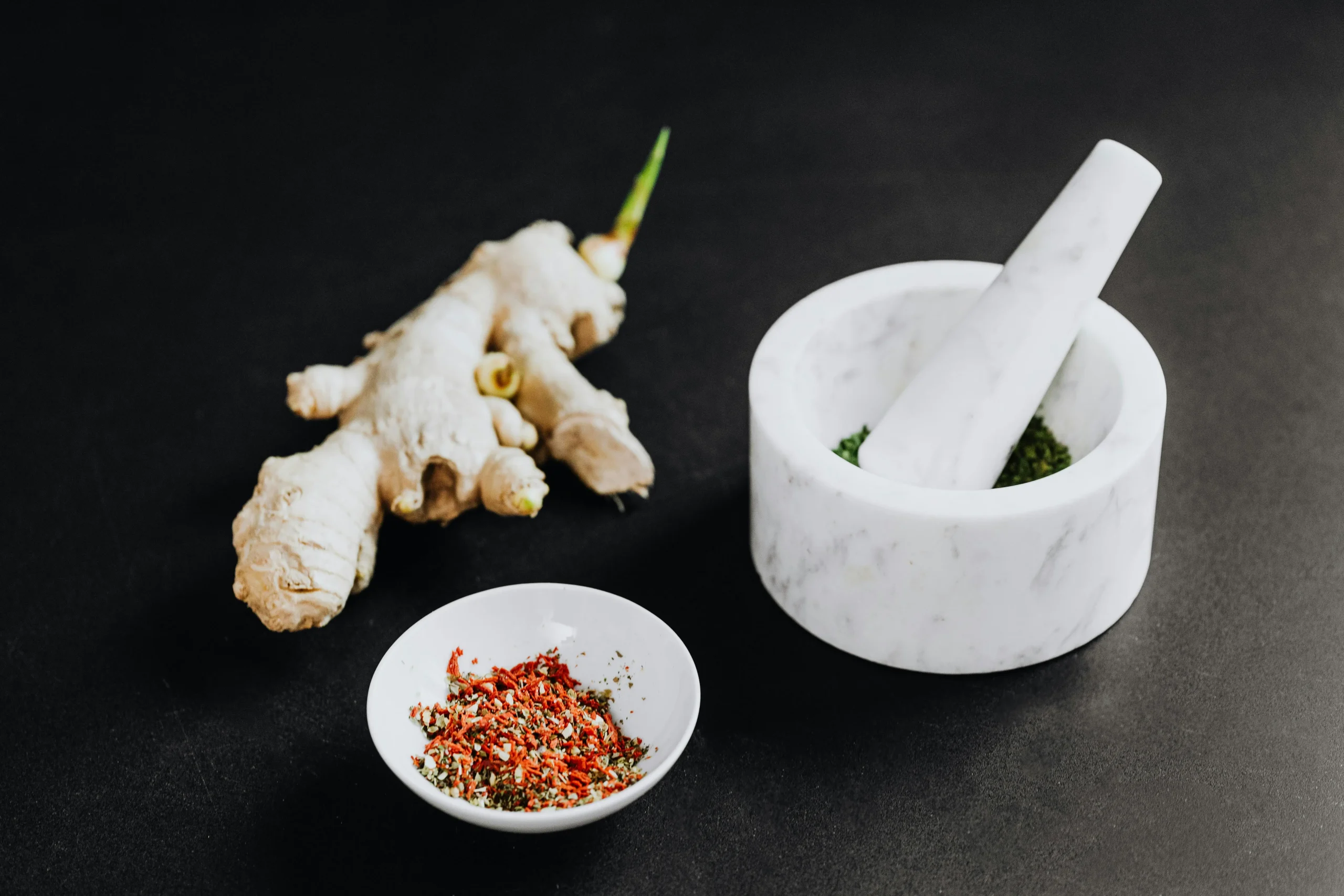
Fresh ginger often has a clear, lively aroma, especially if a small cut area is visible or the skin is lightly rubbed. If the smell seems weak, flat, or stale, the ginger may not be at its best. Aroma is important because it often signals how much flavor the root will bring to a dish.
Food educators often explain that ginger works through both smell and taste. A root with stronger aroma usually offers more of the bright, warming character that cooks want in soups, sauces, and quick meals. This makes smell one of the most useful clues when possible.
Does texture change how useful fresh ginger will be?
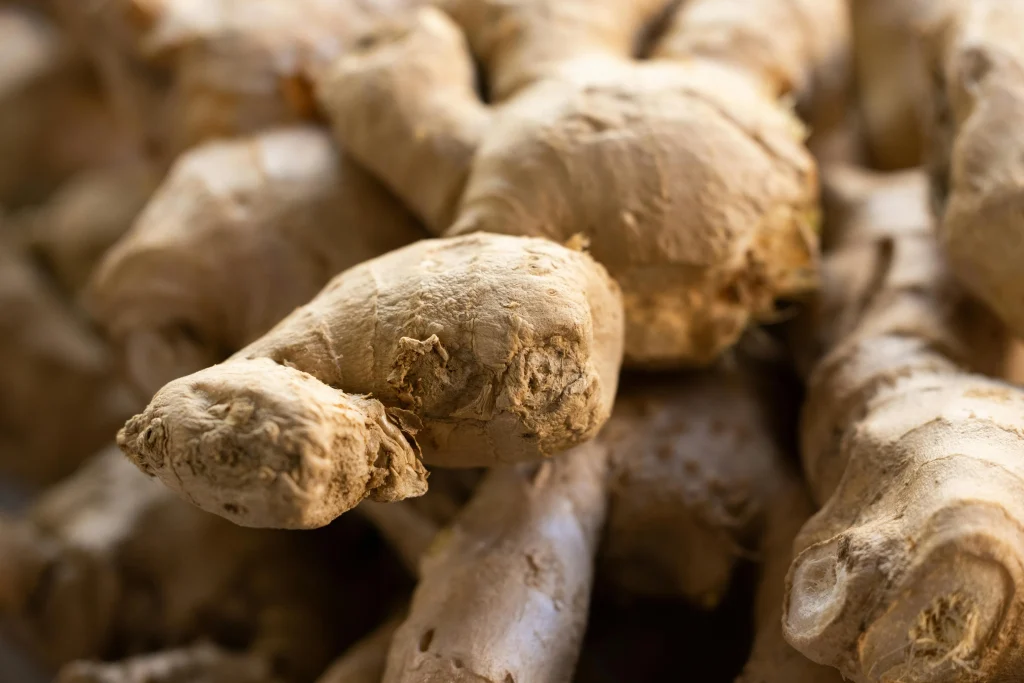
Yes. Fresher ginger is often easier to cut or grate because it holds moisture better. Older ginger may become more fibrous, which can make preparation less smooth and affect the final feel of the ingredient in a dish. This is one reason texture matters before the root even reaches the pan.
Cooking teachers often remind home cooks that ease of preparation is part of ingredient quality. If ginger is hard to work with, the cook may use less of it or avoid it altogether. Good texture makes the ingredient more useful across a wider range of meals.
How should ginger be stored after buying it?
Storage affects how long ginger keeps its strength and workable texture. Ginger often benefits from conditions that protect it from drying out too quickly while still keeping it stable. Fresh ingredient specialists often explain that poor storage can make a good root seem old in a short time.
It also helps to buy an amount that matches likely use. A smaller, fresher piece that gets used across a few meals is often more practical than buying too much and letting it lose quality. For home cooks, this can reduce waste and make the ingredient easier to keep on hand.
Once cut, ginger may need a little more care because the exposed surface can dry more quickly. Using cut pieces soon often helps preserve the brighter flavor that fresh ginger is valued for in the first place.
How can cooking with ginger reduce waste?
Ginger is flexible enough to appear in many types of meals. One root can support rice bowls, soups, sauces, quick vegetable dishes, warm drinks, and simple marinades or dressings. This makes it easier to build several meals around one ingredient rather than buying it for only one recipe.
Meal planning educators often recommend thinking of ginger as a reusable flavor tool. Because it is usually used in smaller amounts, it can stretch across the week well when a cook has two or three likely meal ideas in mind.
 Credit: Engin Akyurt / Pexels
When should ginger be added during cooking?
Timing changes how ginger behaves. When added early, it often becomes softer and more blended into the dish. When added later, it may taste brighter and more noticeable. Cooking instructors often explain that the right moment depends on whether ginger should form part of the background flavor or stand out more clearly.
For home cooks, this means fresh ginger offers more options. Better ginger can be used in both long and short cooking methods without losing its usefulness. That flexibility is one reason it remains such a valuable ingredient in everyday kitchens.
How to pick fresh ginger without overbuying
The most practical habit is to choose a piece that matches likely meals. A home cook who uses ginger often may need a larger root, while another may do better with a smaller piece that stays fresher through the week. Buying with a rough plan usually works better than buying extra without a clear use.
Fresh ingredients are easiest to manage when they are tied to real kitchen routines. A piece of good ginger can support several dishes and still be easier to use well than a larger amount that dries out before it is needed.
Frequently Asked Questions
Q: What is the easiest sign of fresh ginger?
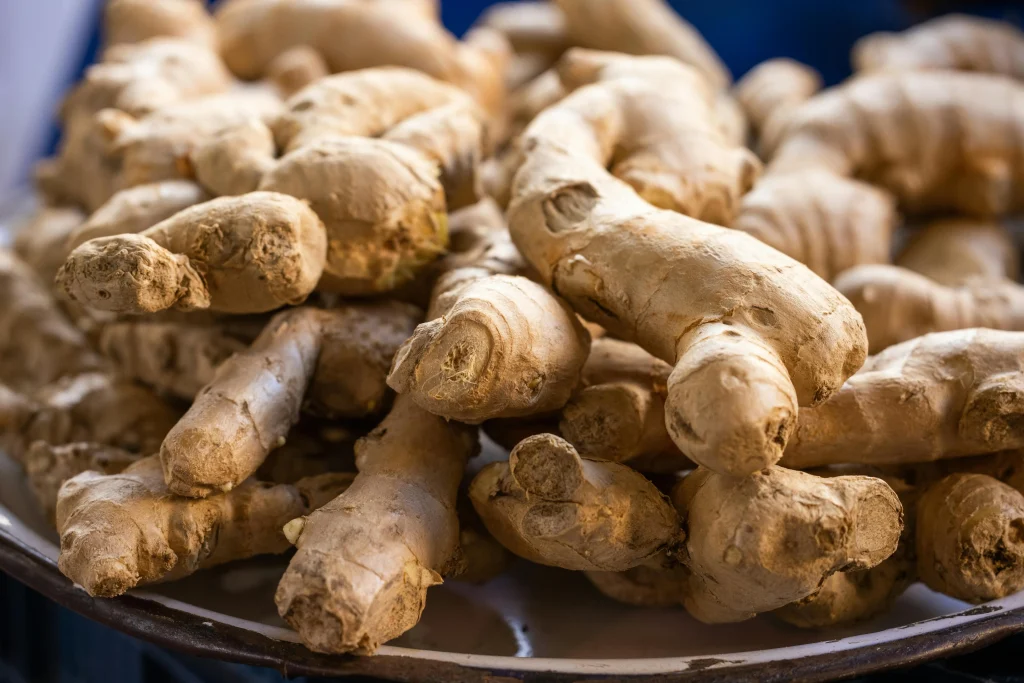
A: Fresh ginger usually feels firm and looks less shriveled than older ginger. It should not feel soft, hollow, or very dry on the outside.
Q: Does fresh ginger always need to be peeled?
A: Not always. That depends on the dish, the age of the ginger, and how it will be used. Younger ginger is often easier to use with less peeling.
Q: Why does older ginger feel harder to use?
A: Older ginger often becomes drier and more fibrous. This can make it harder to slice, grate, and cook with smoothly.
Q: Can fresh ginger improve simple meals?
A: Yes. Ginger can add brightness, warmth, and aroma to many soups, bowls, sauces, and vegetable dishes even in small amounts.
Key Takeaway
Learning how to pick fresh ginger helps home cooks get cleaner flavor, better aroma, and easier preparation from a small but powerful ingredient. Firmness, skin condition, scent, and proper storage all influence how useful ginger will be in the kitchen. Because ginger can support many simple meals, choosing it well also helps reduce waste. For everyday cooking, a fresh piece of ginger can do much more than its size suggests.
[INTERNAL LINKING SUGGESTIONS]
- How to Choose Fresh Garlic for Better Flavor in Everyday Cooking
- 8 Stir-Fry Mistakes That Can Leave Dinner Watery or Bland
- 7 Rice Bowl Meals That Make Busy Weeknights Easier