 Credit: locrifa/ Pexels
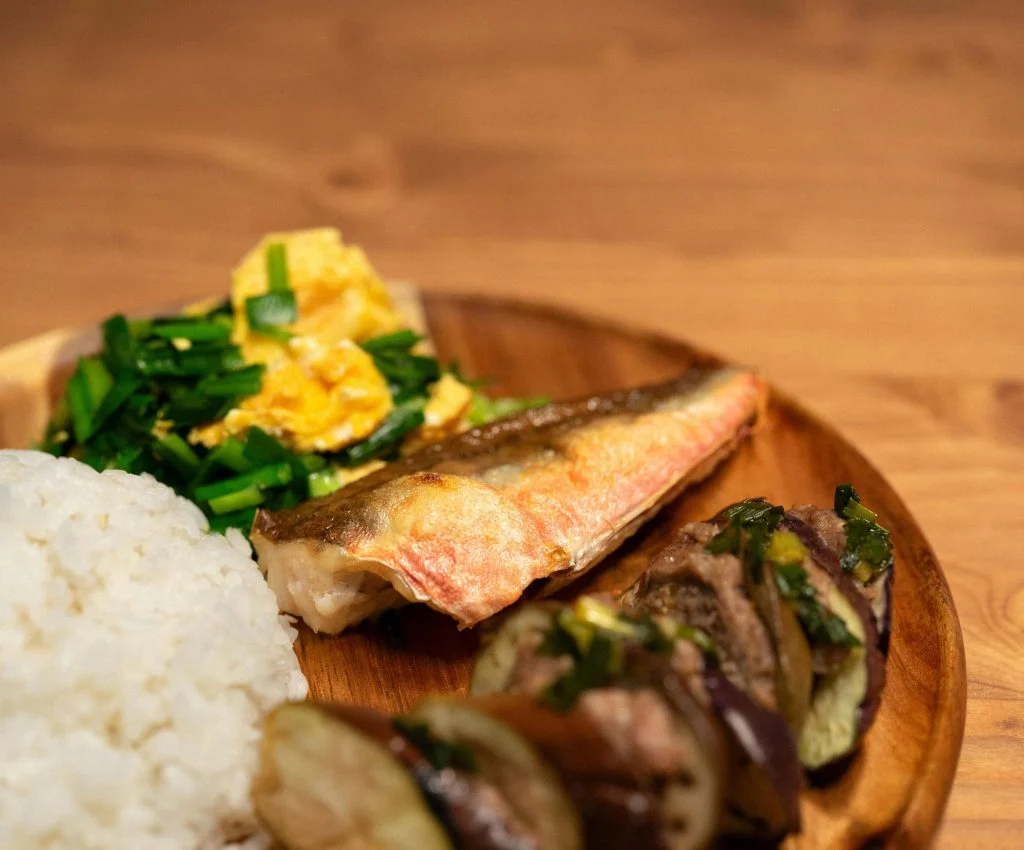
4. Fish and vegetable trays can keep oven meals lighter
Not every tray dinner needs to feel heavy. Fish with vegetables can create lighter sheet pan meals that still feel balanced and practical. The main difference is that fish often cooks faster than dense vegetables, so timing and placement need more attention.
Food educators often explain that lighter oven meals work best when ingredients are chosen with cooking speed in mind. Vegetables may need a head start, while more delicate items are added later. This staged approach helps the meal finish more evenly.
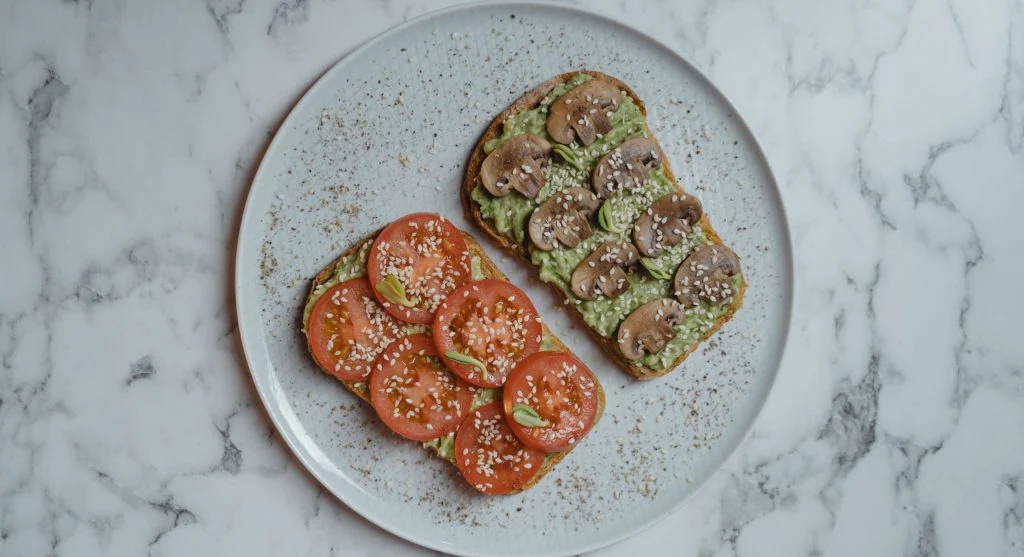
5. Plant-based sheet pan meals are useful for simple dinners
Plant-based tray meals can be built around vegetables, beans, tofu, or other practical ingredients that roast well. These meals are often appealing because they use flexible pantry and produce combinations rather than one narrow recipe. They also fit easily into meal prep because roasted ingredients can be reused later.
Meal planning educators often encourage this style of cooking because it allows a cook to build dinner from what is already in the kitchen. That flexibility is one reason sheet pan meals continue to work well for busy households.
6. Ingredient spacing matters more than many cooks expect
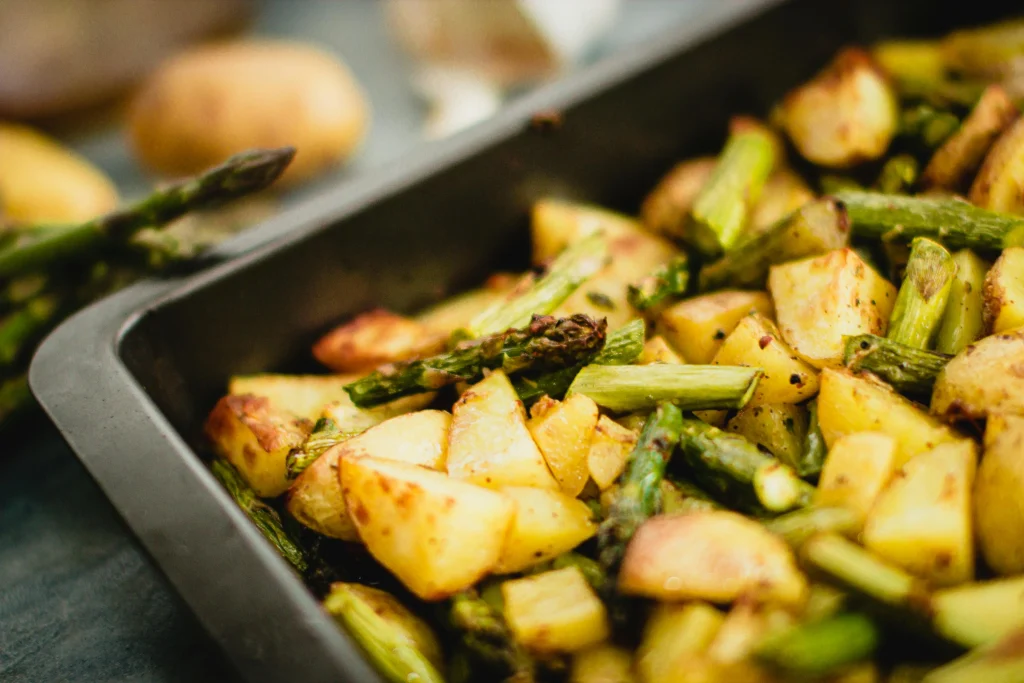
One of the biggest reasons tray dinners fail is crowding. When ingredients are packed too tightly, they release moisture and begin to steam instead of roast. This can leave vegetables soft and pale instead of browned and more flavorful.
Cooking teachers often recommend using a larger tray or splitting ingredients across two pans when needed. Giving the food enough room is one of the easiest ways to improve texture without changing any ingredients.
7. A final finishing touch can improve sheet pan meals quickly
Even simple oven meals often benefit from something fresh at the end. Herbs, citrus, yogurt, a light sauce, or cracked pepper can add contrast to ingredients that have spent time in dry oven heat. These additions help the tray feel brighter and more complete.
Food professionals often explain that roasting builds depth but can soften freshness. A small final layer of flavor can therefore help easy meals feel more balanced without adding much extra work.
Credit: Max Bonda / Pexels
How can home cooks make sheet pan meals easier to repeat?
The most practical method is to remember a simple pattern: one main ingredient, one or two vegetables, one hearty component if needed, and one finishing touch. This keeps the meal flexible while still giving the tray enough structure. It also allows ingredients to shift with the season or what is already in the kitchen.
Meal planning experts often recommend repeating formats rather than exact meals. Sheet pan cooking follows that advice well because it supports variety without forcing the cook to start from scratch every time.
Frequently Asked Questions
Q: What makes sheet pan meals useful for weeknights?
A: Sheet pan meals are useful because they combine simple cooking, less cleanup, and a flexible structure. They allow the oven to do most of the work while the cook manages fewer moving parts.
Q: Why do sheet pan meals sometimes turn soggy?
A: This often happens when the tray is overcrowded or the ingredients release too much moisture. More space on the pan usually helps ingredients roast better.
Q: Can sheet pan meals work with leftovers?
A: Some roasted ingredients can be reused, but the tray is most often built from raw or partially prepared ingredients. Leftover roasted vegetables can still support later meals such as bowls or salads.
Q: Do sheet pan meals always need a sauce?
A: No. Some work well with only herbs, citrus, or light seasoning at the end. The finishing element should support the tray, not weigh it down.
Key Takeaway
Sheet pan meals make weeknight cooking easier because they combine a simple format, less cleanup, and flexible ingredient choices. The best results usually come from matched timing, enough pan space, and a small finishing touch at the end. These meals work well because structure matters more than a fixed recipe. For busy home cooks, tray dinners remain one of the most practical easy meal formats to repeat.
[INTERNAL LINKING SUGGESTIONS]
- A Simple Guide to Roasting Potatoes With Better Crisp Edges
- 7 Roasted Vegetable Mistakes That Can Ruin Flavor and Texture
- How to Pick Fresh Lemons for Better Flavor in Everyday Cooking