Cooking educators often explain that leftover meals need a new role instead of a simple repeat. This matters especially with pasta, which can soften further, absorb sauce differently, and lose the contrast it had on the first day. Once home cooks understand where leftover pasta usually goes wrong, it becomes much easier to turn it into a much better lunch.
Why does leftover pasta often feel heavier the next day?
Pasta changes after resting. It can tighten, absorb more sauce, and settle into a denser texture than it had when first served. If the meal already leaned rich or soft on the first day, that effect usually becomes even more noticeable by lunch the next day. This is why a pasta dish that felt balanced at dinner can seem much heavier in a container.
Food writers often note that leftovers are not just the same meal at a later hour. They are ingredients that have continued to change. Pasta is a strong example because its texture and balance shift more than many people expect.
1. Reheating leftover pasta without adding any freshness is one of the biggest leftover pasta mistakes
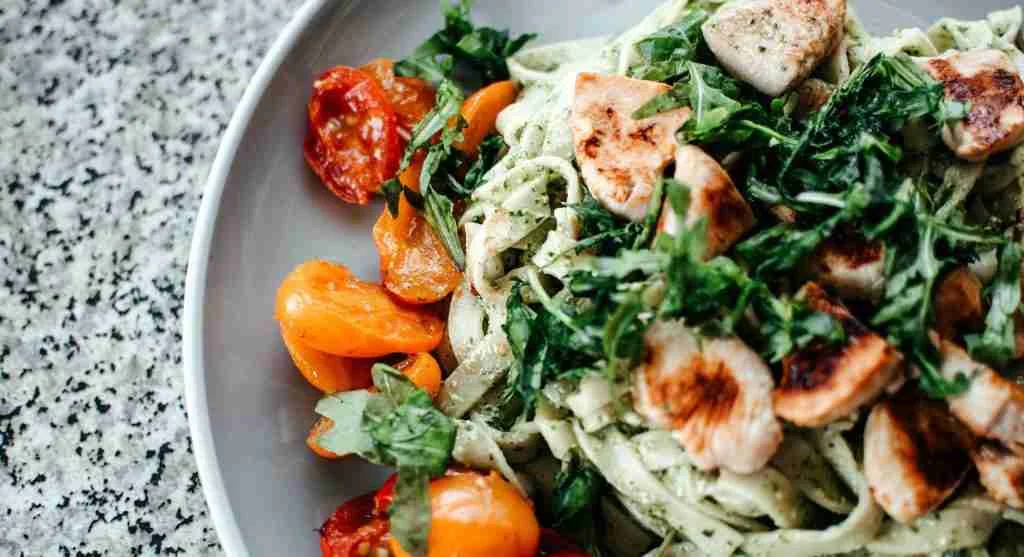
One of the easiest ways to make leftover pasta feel dull is to warm it up and serve it exactly as it is. The meal may still be fine, but it often loses the freshness it needs to feel current. Herbs, greens, crisp vegetables, citrus, or another bright finish can change the lunch much more effectively than reheating alone.
Fresh ingredient specialists often explain that yesterday’s pasta usually needs something that belongs clearly to today. Even a small fresh addition can make the lunch feel rebuilt instead of repeated.
2. Treating all leftover pasta like it should become a hot lunch
Some leftover pasta is better warm, but not all of it needs to be reheated to work well. In some cases, reheating only makes the dish feel softer and heavier. A pasta lunch may actually work better when it moves in a cooler direction with vegetables, herbs, or a lighter topping that changes the mood of the meal.
Home cooking teachers often remind cooks that leftovers do not have to stay loyal to the original form. The smarter question is what kind of lunch the pasta can become now, not what kind of dinner it used to be.
3. Leftover pasta mistakes often start when the sauce is asked to do all the work again
On the first day, the sauce may have been enough to carry the whole dish. By the second day, that same sauce can feel heavier and less lively. Adding more of it often makes the problem worse instead of better. A stronger lunch usually depends on adding contrast rather than more coating.
Cooking instructors often explain that leftovers improve most when the missing element is identified correctly. If the pasta is already rich enough, the fix is rarely more richness.
4. Forgetting texture contrast can make the whole lunch feel sleepy
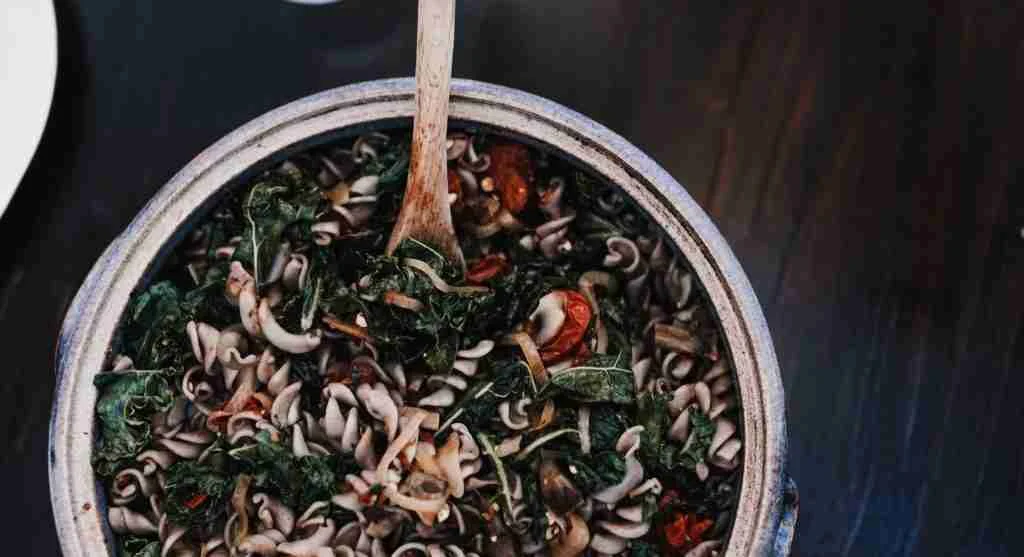
Pasta leftovers often become softer overnight, which means the lunch usually needs one ingredient that does not move the same way. Crisp vegetables, toasted seeds, bread, greens, or another ingredient with more bite can help stop the meal from feeling too settled. Without that, the lunch may taste acceptable but still seem slow from the first bite onward.
Food educators often note that texture is one of the easiest ways to make leftovers feel more intentional. This is especially true with pasta, which naturally softens over time.
5. Not changing the format of the meal at all
A common mistake is assuming leftover pasta should always remain a bowl of pasta. Sometimes it can work better folded into a lunch salad, used beside greens, turned into a smaller plate with supporting ingredients, or rebuilt with a fresh topping that changes the structure. Format matters because it changes how the eater experiences the leftovers.
Meal planning educators often recommend thinking in meal formats instead of exact repeats. Once leftover pasta stops being locked into the idea of “reheated pasta bowl,” it becomes much easier to use well.
6. Using too much heat on a pasta that only needed loosening
Some leftover pasta only needs to be relaxed and refreshed, not fully driven back into a hot dinner state. Too much heat can push the texture further in the wrong direction and make vegetables or sauce feel more tired. A gentler approach often preserves more of the meal’s best qualities.
Cooking teachers often explain that reheating is not always about making leftovers as hot as possible. It is about making them pleasant again. That distinction matters with pasta more than many people realize.
7. Leaving the lunch with no clear finishing note
Many leftover pasta lunches feel close to good but not quite complete because nothing sharpens the final plate. Herbs, citrus, yogurt, pepper, or another light finishing detail can make the meal feel much more deliberate. The lunch may already have enough body. What it often lacks is a clear ending.
Food writers often point out that simple meals need one signal that says they are finished. In leftovers, that signal matters even more because the meal has already lived one life before.
8. Expecting leftover pasta to carry the whole lunch on its own
Some pasta leftovers become much better once they are treated as one part of lunch rather than the whole answer. A few greens, fresh vegetables, beans, bread, or another simple side can make the meal feel more balanced without requiring much more effort. The pasta still matters, but it no longer has to do everything alone.
Home cooking teachers often say that leftovers become stronger when they are supported rather than stretched. A smaller portion of pasta inside a more balanced lunch often feels much better than a larger bowl that never changes.
How can home cooks avoid leftover pasta mistakes more easily?
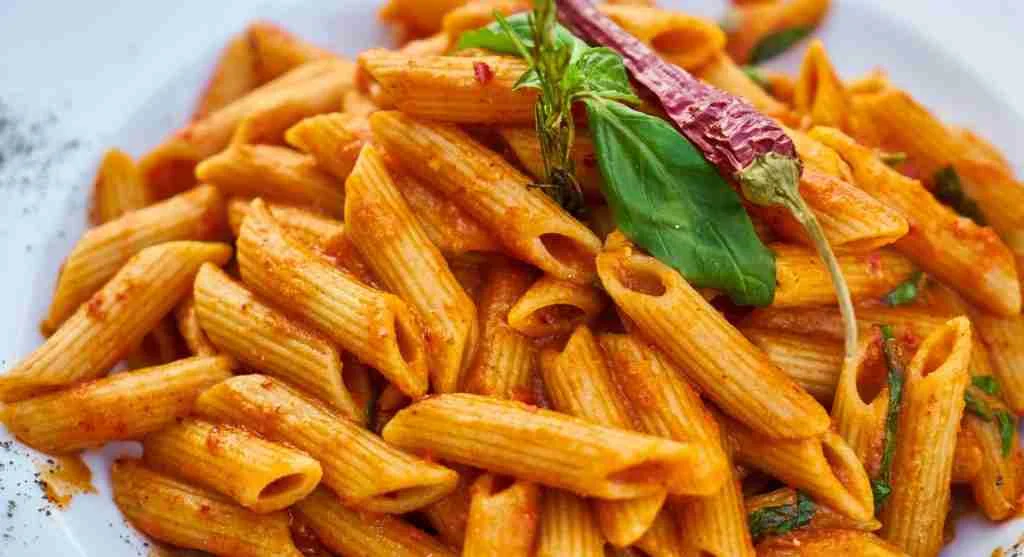
The easiest method is to stop thinking of the lunch as a repeat and start thinking of it as a rebuild. Add one fresh element, one contrast in texture, and one final detail that makes the meal feel current. These changes do not make the lunch harder. They simply make it smarter.
Cooking educators often remind home cooks that stronger leftovers usually come from clearer roles, not more ingredients. Pasta responds especially well to that kind of small correction.
Frequently Asked Questions
Q: Why does leftover pasta often feel heavier than fresh pasta?
A: It often absorbs more sauce and settles into a denser texture overnight, which can make the next-day lunch feel richer and softer.
Q: Does leftover pasta always need to be reheated?
A: No. Some pasta leftovers work better when rebuilt in a cooler or fresher direction instead of simply reheated as a repeat meal.
Q: What helps leftover pasta feel fresher?
A: Herbs, crisp vegetables, citrus, greens, or another light finishing ingredient often make the biggest difference.
Q: Can leftover pasta be part of a better lunch without being the whole meal?
A: Yes. It often works better when paired with fresh supporting ingredients rather than expected to carry the whole lunch alone.
Key Takeaway
Leftover pasta mistakes often come from repeating the dinner too literally instead of rebuilding it for lunch. The best next-day results usually come from adding freshness, texture contrast, and one finishing detail that makes the meal feel current again. Leftover pasta does not need a complicated rescue. It only needs a smarter second role. In everyday cooking, that shift can turn a heavy lunch into a much better one.