Cooking educators often explain that pantry cooking works best when it is treated like meal building instead of last-minute rescue work. A good grain bowl does not need a long ingredient list. It usually needs one steady base, one element with body, one source of contrast, and a finishing touch that makes the bowl feel deliberate. Once that structure is clear, pantry meals become much easier to repeat well.
Why do pantry grain bowls sometimes feel dull?
Pantry ingredients are useful because they are dependable, but many of them also lean in the same direction. Grains, beans, canned items, and seeds can all make a bowl feel steady without automatically making it feel lively. If too many of those ingredients appear in the same meal without contrast, the result may seem dry, dense, or repetitive even if the bowl is filling enough.
Home cooking teachers often say that pantry meals usually fail for one reason: they forget freshness, texture, or both. The bowl may have enough food, but it may not have enough movement. That is why the best pantry bowls are usually designed around contrast rather than quantity.
Start with a grain that can carry the rest of the bowl
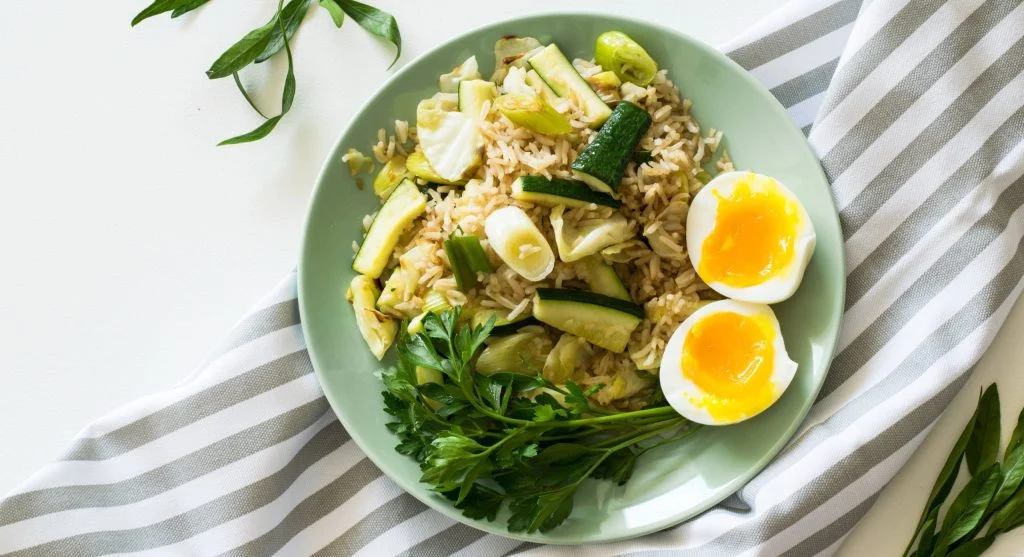
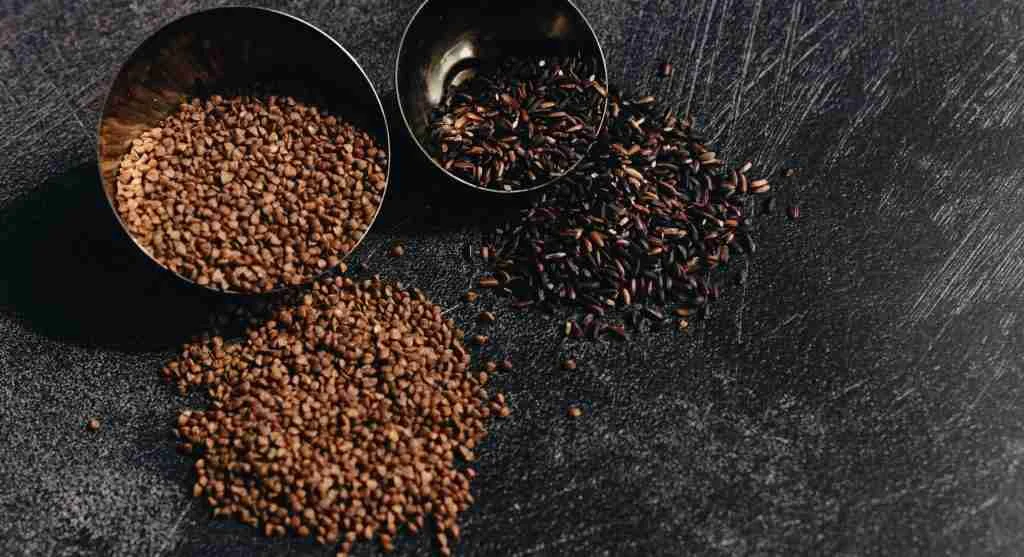
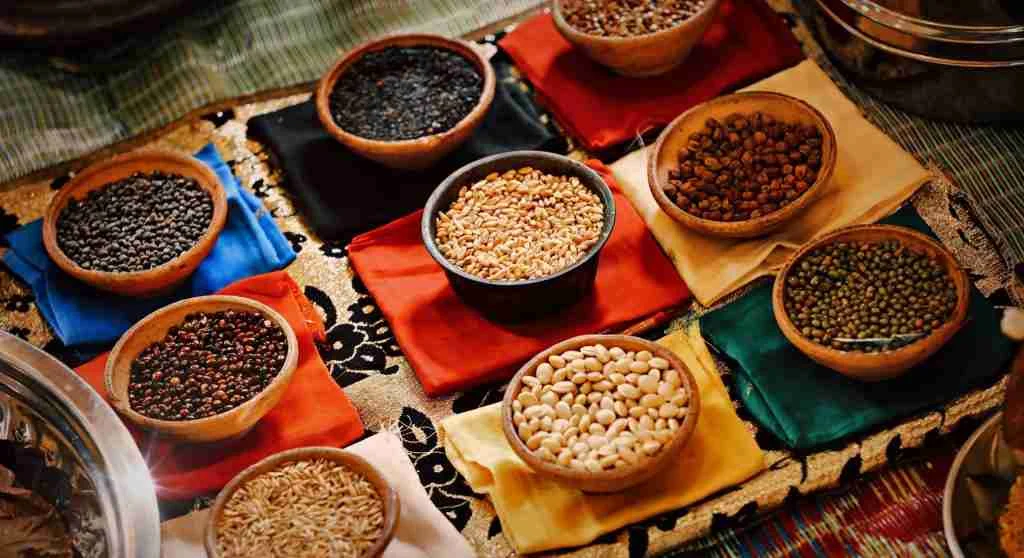
The grain is not only the base. It sets the pace of the meal. Rice, farro, barley, couscous, bulgur, or another practical grain can all work, but each one changes how the bowl feels. A softer grain may need more crunch around it. A firmer grain may make the bowl feel more structured from the beginning. The cook does not need the perfect grain. The cook only needs to know what the grain adds and what the rest of the bowl will still need.
Food educators often explain that bowls become easier to build once the grain is treated as part of the identity of the meal rather than only as filler. A stronger grain base makes the rest of the planning much simpler.
Choose one pantry ingredient that gives the bowl real substance
Beans, lentils, canned chickpeas, eggs, or another practical ingredient often give the bowl the body it needs to feel like dinner or lunch instead of only a side. This step matters because grains alone may not be enough to create a meal with staying power. The bowl becomes much more useful once one central pantry ingredient helps carry it.
Meal planning educators often recommend asking one simple question: if the grain were removed, would there still be enough substance left to matter? If the answer is no, the bowl may still need a stronger second layer before it reaches the table.
Texture is the part pantry meals forget most often
Many pantry bowls end up too soft because the ingredients are all spoonable, tender, or neutral in bite. This is where seeds, toasted bread, crisp vegetables, nuts, or even one raw element can help. The goal is not to turn the bowl into a snack mix. The goal is to stop every bite from moving the same way.
Cooking instructors often explain that texture is what keeps simple bowls from becoming forgettable. A little crunch or chew can do more for a pantry meal than another spoonful of sauce.
Use the last fresh ingredient wisely instead of stretching it too far
Many pantry meals improve a lot from one fresh item, but that item does not need to do everything. A few herbs, half a cucumber, one lemon, a handful of greens, or a single tomato can change the bowl more than a whole extra pantry ingredient would. The trick is using that fresh ingredient where it will be noticed most rather than burying it under the bowl.
Fresh ingredient specialists often point out that a small fresh addition can guide the whole meal. It can signal brightness, wake up the grain, and keep the bowl from tasting stored. In pantry cooking, this kind of ingredient often matters more than people expect.
Do not let the sauce solve every problem
It is easy to think a bowl needs more sauce when it actually needs more contrast. Sauce can help connect the parts, but too much can make pantry meals feel heavier than they need to be. A better approach is to use enough sauce to guide the bowl, then rely on texture and freshness to keep it interesting.
Food writers often explain that sauce should act like a bridge rather than a blanket. In pantry grain bowls, that is especially important because the base ingredients are already so good at absorbing moisture and becoming softer over time.
Warm and cool elements can make a pantry bowl feel more thoughtful
A pantry bowl does not have to be entirely hot or entirely room temperature to work well. In fact, it often feels stronger when one part is warm and another is cooler. Warm grains with a cool yogurt-based topping, or warm beans with fresh herbs and cucumber, can make the meal seem more layered even when the ingredient list is short.
Home cooking teachers often describe this as giving the meal more shape. Temperature contrast makes the bowl seem more like a planned meal and less like ingredients reheated together for convenience.
Build the bowl in a way that the last bites still matter
Some grain bowls start well and then become monotonous because every topping sinks into the same texture by the time the bowl is half finished. A better pantry bowl often keeps one crunchy or fresh element for the top so the last bites still have some contrast left. This is a small detail, but it often changes how satisfying the meal feels overall.
Cooking educators often remind cooks that a good bowl should stay interesting beyond the first few bites. Pantry meals deserve that same kind of attention even if they are built quickly.
Finish with one ingredient that makes the bowl feel current
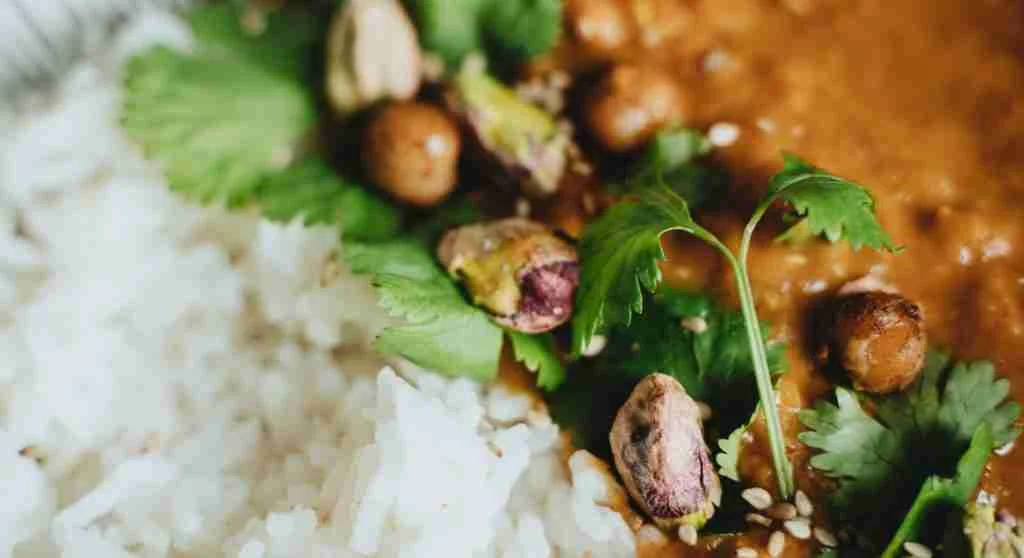
The strongest pantry grain bowls often have one final detail that stops them from feeling too shelf-stable. This might be herbs, citrus, pepper, yogurt, a few seeds, or another fresh-leaning finish. The point is not to hide the pantry nature of the bowl. The point is to make the meal feel alive enough that it does not taste like a compromise.
Food educators often say that good pantry cooking is not about pretending the pantry is something else. It is about using it intelligently. A strong finish is part of that intelligence.
Frequently Asked Questions
Q: What makes a pantry grain bowl feel like a real meal?
A: A pantry grain bowl usually feels like a real meal when it has a strong grain base, one ingredient with body, one contrasting texture, and a finishing touch that brings freshness or clarity.
Q: Do pantry grain bowls always need fresh vegetables?
A: Not always, but even one small fresh ingredient often improves the bowl a lot by adding brightness and helping the meal feel less dense.
Q: Why do pantry bowls sometimes feel too heavy?
A: They often become heavy when too many soft or dense ingredients are used together without enough crunch, freshness, or temperature contrast.
Q: Can pantry grain bowls work for lunch as well as dinner?
A: Yes. They are especially useful for both lunch and dinner because they can be built quickly from ingredients already in the kitchen.
Key Takeaway
Understanding how to build a pantry grain bowl is really about structure, contrast, and restraint. A strong grain base, one substantial pantry ingredient, one source of texture, and one fresh finishing element can turn a nearly empty-fridge evening into a much better meal. The best pantry bowls do not rely on more ingredients. They rely on clearer roles for the ingredients already there. In everyday cooking, that makes pantry dinners far more useful and far less repetitive.