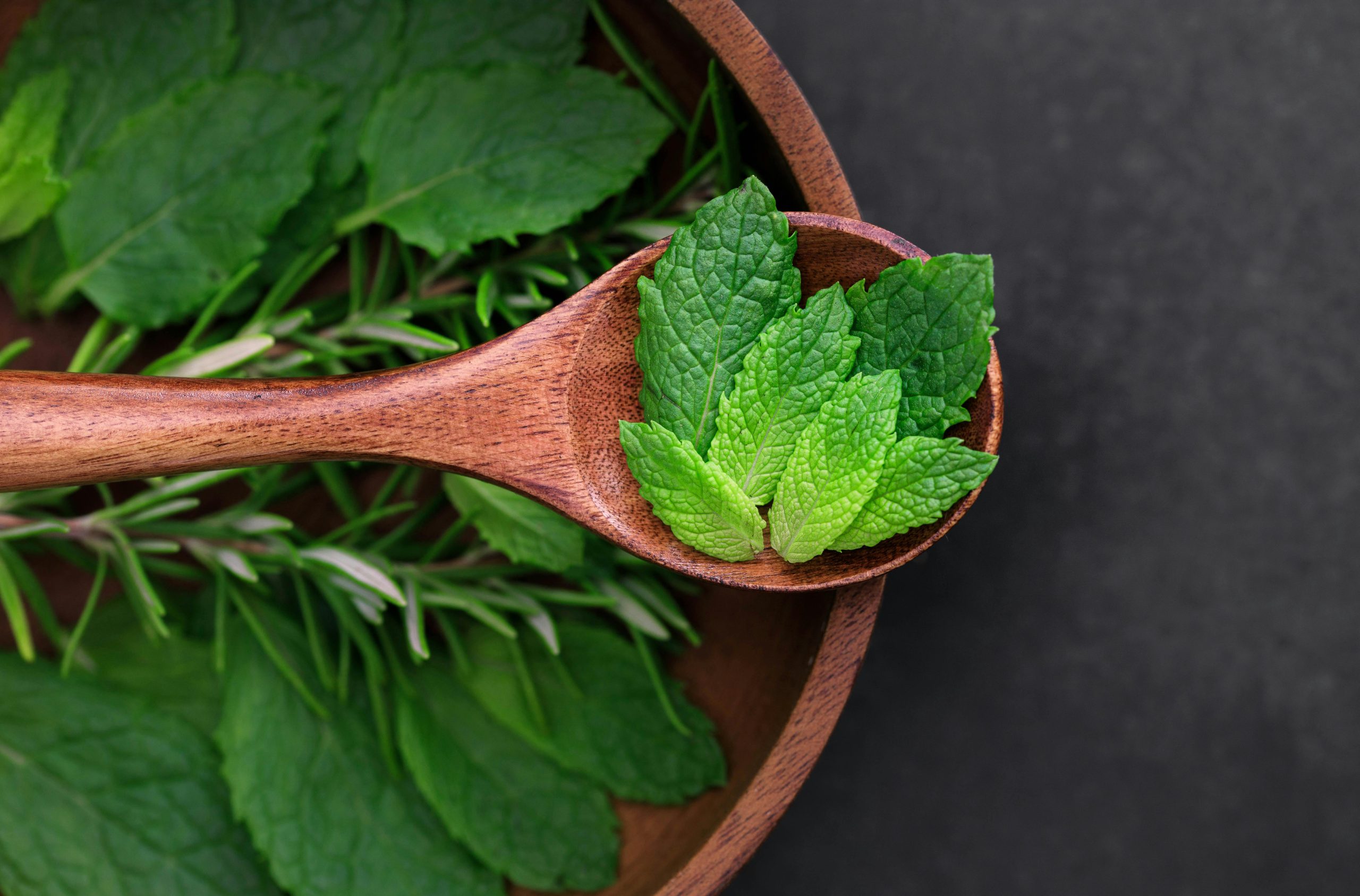
Knowing how to choose fresh herbs can make simple meals taste brighter, cleaner, and more balanced. Herbs are often used in small amounts, but they can change the flavor of soups, salads, pasta, rice, eggs, and vegetable dishes very quickly. For home cooks, learning how to select and handle them well can improve everyday meals without making cooking more complicated.
Food educators often explain that fresh ingredients are most useful when cooks know what signs to look for before buying them. Herb quality can change quickly because leaves lose moisture fast and bruise easily. That means appearance, texture, and smell all matter when deciding what to bring home.
Why does how to choose fresh herbs matter in everyday cooking?
Fresh herbs are usually added for flavor, aroma, and a sense of balance. They can lift a dish that feels heavy, sharpen a mild ingredient, or add contrast to a warm meal. Because their role is often delicate, poor-quality herbs can be noticeable right away.
Culinary instructors often note that herbs should look alive and smell fresh. Once leaves become dark, limp, or wet, the flavor may weaken and the shelf life usually drops. Choosing strong bunches at the start can reduce waste later in the week.
What should home cooks look for when learning how to choose fresh herbs?
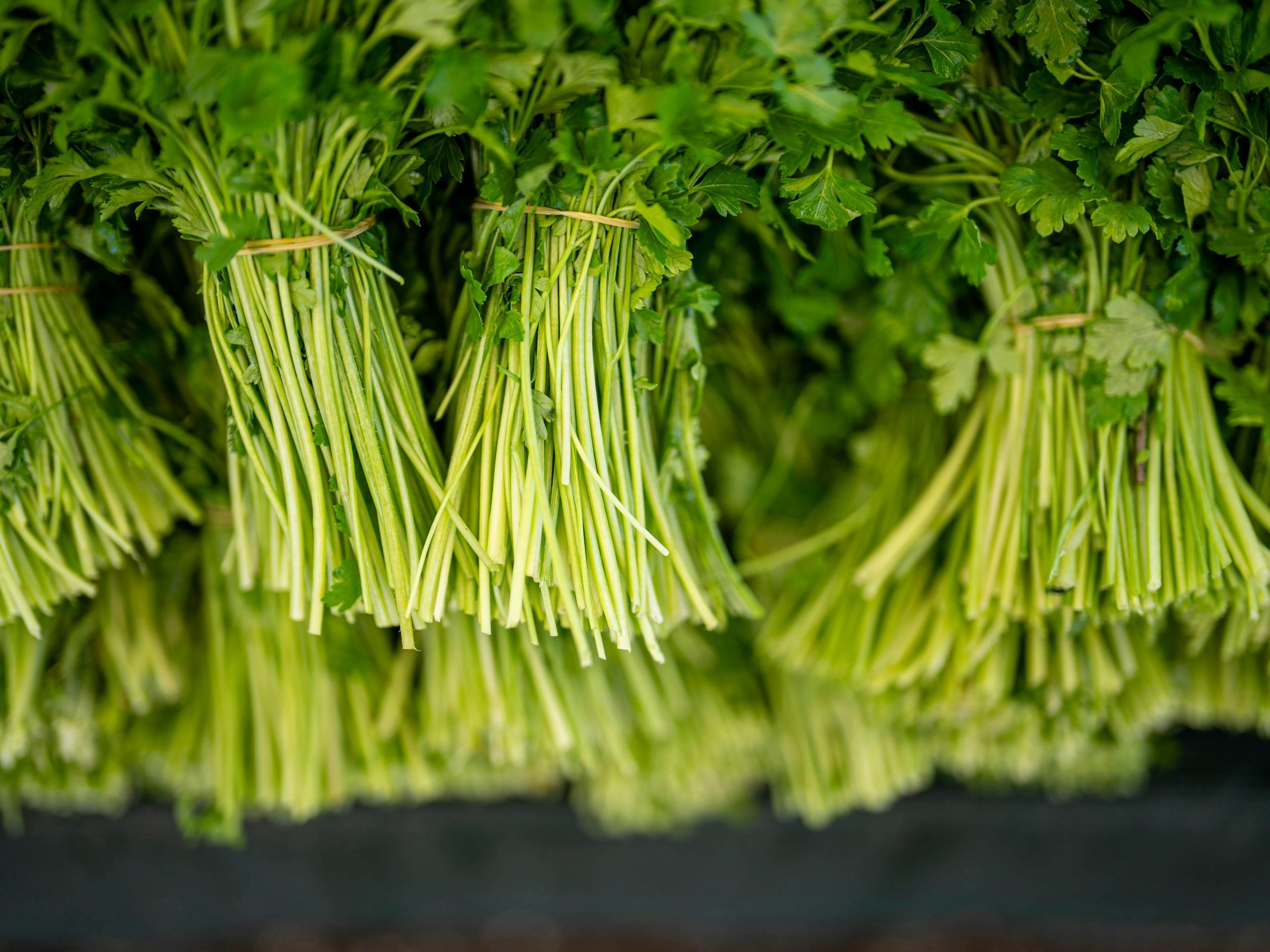
Color is one of the easiest first checks. Leaves should usually look bright and natural rather than dull, yellow, or heavily spotted. The stems should also look healthy instead of slimy or dry. These signs often show whether the herbs were handled well after harvest.
Texture is another clue. Fresh herbs should generally feel crisp or flexible, depending on the type, but they should not feel wet, sticky, or damaged. Herb specialists often explain that damaged leaves lose quality faster because bruising speeds up breakdown.
Smell also matters. Many fresh herbs release their scent quickly when handled gently. If the aroma seems very weak, the herbs may be old. If the smell seems sour or unpleasant, quality may already be slipping.
Credit: Ömer Furkan Yakar / Pexels
How to choose fresh herbs by type
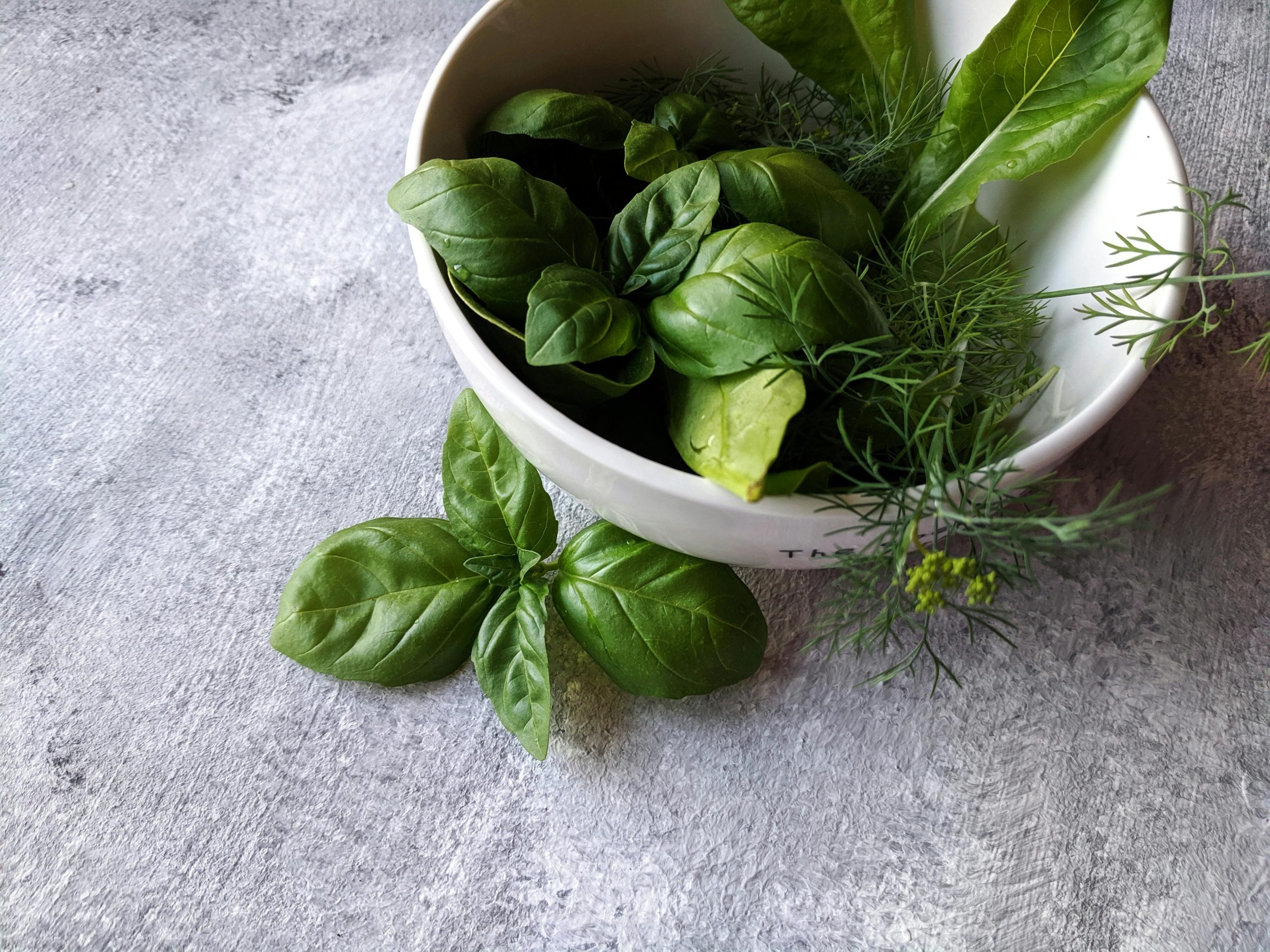
Not every herb behaves the same way. Soft herbs like parsley, cilantro, mint, dill, and basil often show damage quickly because their leaves are delicate. They usually need close attention when buying because bruised leaves can fade fast in storage.
Hardier herbs such as rosemary, thyme, and oregano often last longer because their leaves are firmer and less fragile. Even so, they should still look clean and healthy. Dry-looking stems or shedding leaves can suggest age or poor storage.
Food professionals often recommend choosing herbs based on the dish as well as the condition. Soft herbs are often better for finishing and freshness, while stronger herbs can handle longer cooking. This helps cooks match the ingredient to the meal instead of buying more than they need.
How should fresh herbs be stored after buying them?
Storage can shape quality almost as much as selection. Some herbs do better when wrapped loosely and kept cool, while others may hold up better with trimmed stems and some moisture. The main goal is to avoid crushing, trapped wetness, and extreme drying.
Fresh ingredient experts often suggest checking herbs soon after bringing them home. Removing damaged leaves can help protect the rest of the bunch. A little early care can make the difference between herbs lasting a day and lasting several days.
It also helps to avoid washing everything at once unless the herbs will be used right away. Extra moisture can speed up breakdown during storage. Many cooks prefer to wash herbs just before use so the leaves stay in better shape longer.
How can cooking with herbs reduce waste?
One reason herbs go unused is that cooks buy them for one dish and forget the rest. Planning two or three meals around the same herb can help. Parsley may go into soups, salads, and grain bowls. Mint may work in drinks, yogurt sauces, or fruit dishes. Basil may fit pasta, eggs, or tomato-based meals.
Meal planning educators often recommend treating herbs as flexible flavor tools instead of single-use ingredients. This makes fresh ingredients more practical and lowers the chance of throwing away half a bunch at the end of the week.
Credit: Asya Vlasova / Pexels
When should herbs be added during cooking?
Timing matters because some herbs lose their fresh taste with long heat exposure. Soft herbs are often added near the end or used as a finishing ingredient. Hardier herbs can be added earlier so their flavor slowly moves through the dish.
Cooking teachers often explain that this is one of the easiest ways to get more value from fresh herbs. The same ingredient can behave differently depending on when it is added. Understanding that difference helps home cooks use herbs with more confidence.
How to choose fresh herbs without overbuying
Buying the largest bunch is not always the best choice. Home cooks often benefit more from buying the amount they can realistically use within a few days. This is especially true for soft herbs that fade quickly.
Fresh ingredients work best when shopping is tied to a loose plan. Choosing one or two herbs that fit several meals is often more useful than buying too many varieties at once. This can help the kitchen stay practical and less wasteful.
Frequently Asked Questions
Q: What is the easiest sign of fresh herbs at the store?
A: Bright color and healthy leaves are usually the easiest signs to notice first. Herbs should not look slimy, yellow, or heavily bruised.
Q: Should herbs be washed right after buying them?
A: Many cooks wait until just before use. Washing too early can leave extra moisture on the leaves and shorten storage life.
Q: Which herbs spoil faster?
A: Soft herbs like basil, cilantro, dill, and mint often spoil faster than woody herbs like rosemary or thyme. Their leaves are more delicate and lose quality sooner.
Q: Can fresh herbs really improve simple meals?
A: Yes. Even a small amount can brighten the flavor of rice, eggs, soups, salads, pasta, and vegetable dishes.
Key Takeaway
Learning how to choose fresh herbs helps home cooks get better flavor, reduce waste, and use fresh ingredients more confidently. Healthy color, good texture, and a clean aroma are all useful signs when buying herbs. Proper storage and smart meal planning can make them last longer and work across more dishes. For simple everyday cooking, small bunches of good herbs often do more than large amounts of poor-quality ones.
[INTERNAL LINKING SUGGESTIONS]
- Spring Asparagus Recipes That Keep Meals Light and Fresh
- Cooking Tips for Using Herbs at the Right Time
- Easy Meals That Use Simple Fresh Ingredients