Blog

  • 7 Food Facts About Rice That Many Home Cooks Overlook

    7 Food Facts About Rice That Many Home Cooks Overlook

    Many food facts about rice are easy to overlook simply because rice is such a familiar part of everyday cooking. It shows up in side dishes, grain bowls, soups, stuffed vegetables, and countless simple meals. Because it’s used so often, many home cooks rely on habit instead of understanding how rice actually behaves. Small details—like moisture, grain type, heat, and even storage—can make a bigger difference to the final texture than expected.

    Food educators often point out that rice may be simple in ingredients, but it isn’t always simple in how it cooks. Different varieties absorb water differently, soften at different rates, and change in texture after cooking. Learning a few key rice facts can make results more consistent and easier to repeat.

    1. Not all rice cooks the same way

    One of the most important things to understand is that different types of rice behave differently. Long-grain rice usually cooks into lighter, more separate grains, while short-grain rice tends to be softer and more cohesive. Brown rice and white rice also differ in both texture and cooking time because of their outer layers.

    Cooking instructors often remind home cooks that the method should match the type of rice. A single water ratio or timing rule won’t work for every variety. This is why rice can feel unpredictable when all types are treated the same.

    2. Rinsing changes texture more than many people realize

    Rinsing rice may seem like a minor step, but it can noticeably affect the outcome. Uncooked rice often carries surface starch, which influences how sticky or separate the grains feel once cooked. Rinsing helps remove some of that starch, leading to a lighter, more distinct texture in many cases.

    Food science educators often explain that whether or not to rinse depends on the dish. Some recipes benefit from separate grains, while others work better with a softer, more connected texture. Rinsing isn’t always required, but it’s useful to understand how it changes the result.

    3. Resting rice after cooking can improve the whole pot

    Many cooks focus only on what happens while the rice is on the heat, but what happens after cooking matters just as much. Once the heat is turned off, moisture continues to distribute evenly through the grains. This helps reduce overly wet spots and improves the overall texture.

    Grain specialists often note that serving rice immediately can interrupt this final step. Letting it rest for a few minutes is one of the easiest ways to improve the result, yet it’s also one of the most commonly skipped steps—especially on busy days.

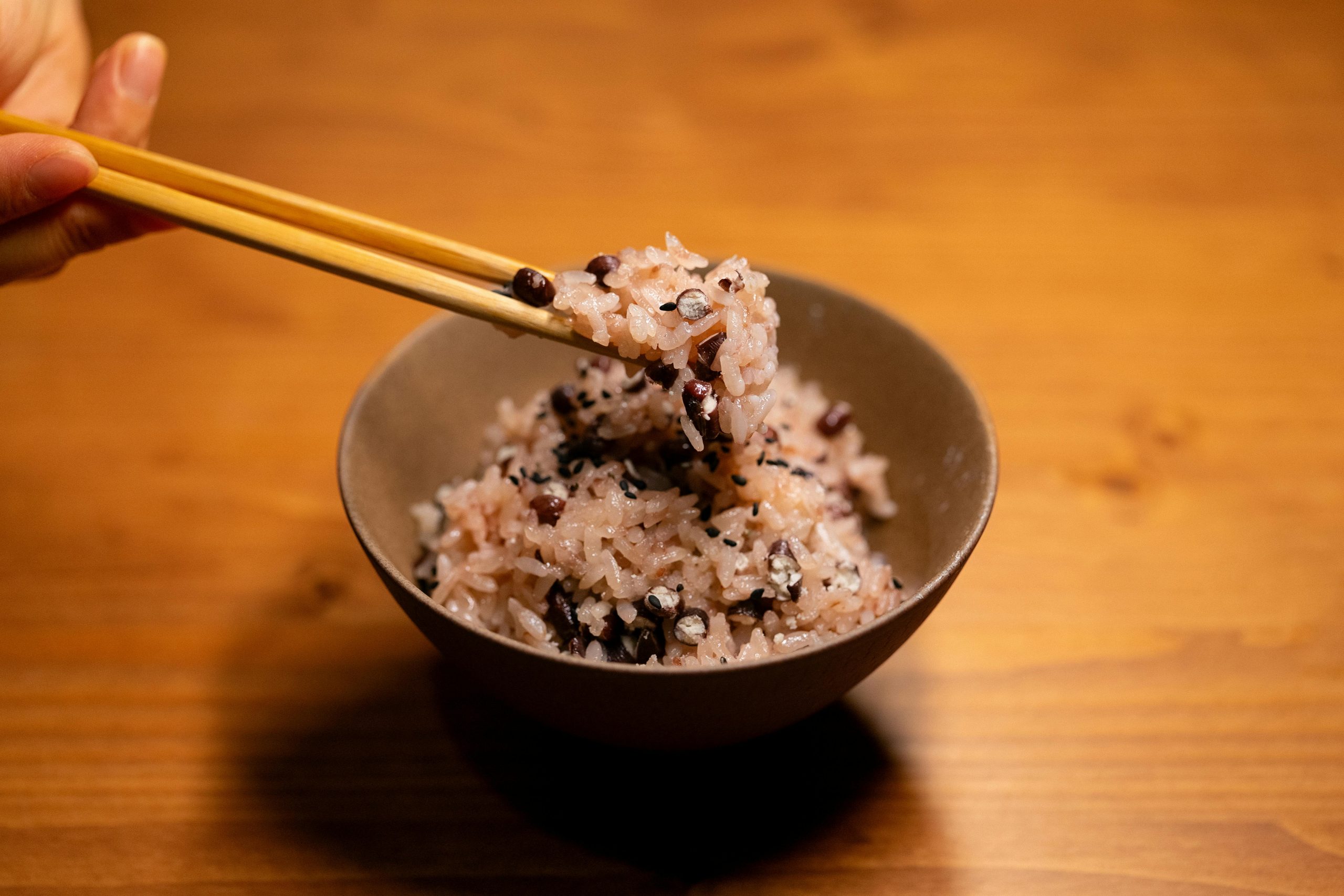
    food facts about rice include the importance of resting after cooking

    Credit: Jubair Bin Iqbal/ Pexels

    4. Rice texture depends on more than water alone

    Water matters, but it is not the only factor. Pot shape, lid fit, heat level, and even how often the lid is lifted can affect the final texture. A pot that loses too much steam may leave rice drier than expected, while strong heat can create uneven cooking from bottom to top.

    Cooking teachers often explain that rice needs a stable environment. Keeping the lid on and allowing steam to do its work can help grains cook more evenly. This is why constant checking during cooking can sometimes create more problems than it solves.

    5. Freshly cooked rice and cooled rice behave differently

    Another overlooked rice fact is that freshly cooked rice and cooled rice are not the same in texture or best use. Fresh rice often feels softer and more delicate, which works well for direct serving. Cooled rice can dry slightly and become firmer, which may help it hold up better in stir-fries or reheated dishes.

    Food educators often point out that this change is not necessarily a flaw. It simply means rice can serve different roles depending on when it is used. Understanding that difference helps home cooks match the grain to the meal instead of expecting the same behavior every time.

    6. Storage affects quality after cooking

    Cooked rice does not stay the same after it leaves the pot. Storage time, cooling, and reheating can all change texture and overall quality. Rice left sitting too long or handled carelessly may lose its best texture faster than expected.

    Food safety educators often stress that cooked grains should be handled with care and stored properly. For home cooks, the main lesson is that good rice depends on what happens after cooking as much as what happens during cooking.

    7. Rice works as a base because it supports contrast

    Rice is often treated as plain, but that is part of its strength. Its mild flavor allows vegetables, herbs, sauces, eggs, beans, and many other ingredients to stand out. This makes it useful not only as a side, but as a full meal base.

    Meal planning educators often describe rice as one of the most flexible grains in everyday cooking. Because it supports contrast well, it can move from light bowls to hearty dinners without losing its usefulness. That flexibility is one reason it stays central in so many kitchens.
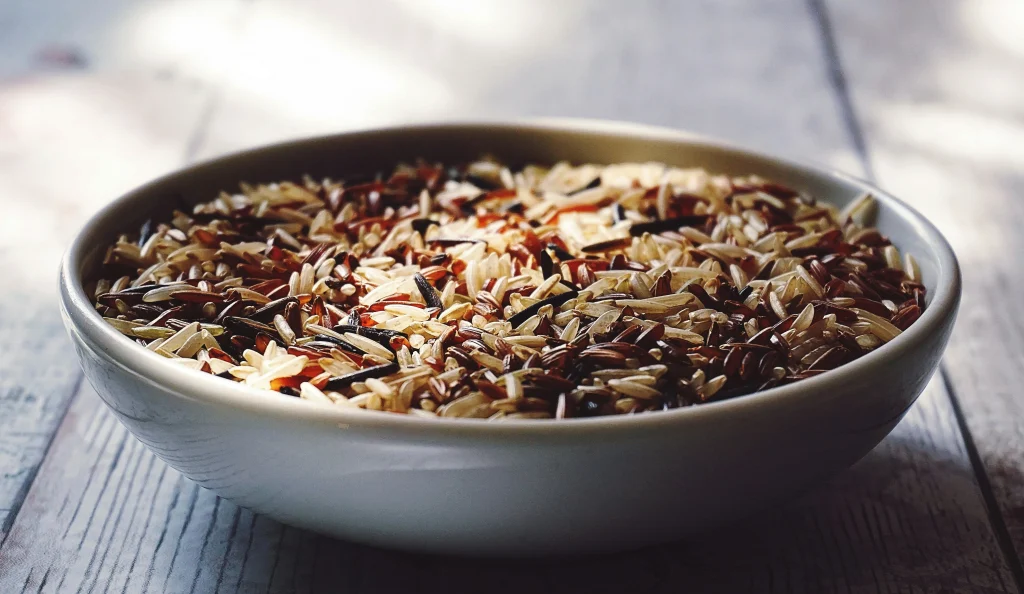
    food facts about rice include its flexibility as a meal base

    Credit: Suzy Hazelwood  / Pexels

    Why do people misunderstand rice so easily?

    Rice is so familiar that many people stop questioning how it works. A method learned once may be used for years, even when the rice variety or meal type changes. This is common with staple foods because repetition can hide the need for adjustment.

    Food educators often encourage home cooks to watch rice more closely as a grain rather than treating it as one fixed ingredient. Texture, moisture, and timing all matter, and learning those small differences can improve many meals without requiring advanced skill.

    Frequently Asked Questions

    Q: Do all kinds of rice need the same amount of water?
    A: No. Different rice types often absorb water differently, so the same method may not work equally well for every variety.

    Q: Is rinsing rice always necessary?
    A: Not always, but it can change texture by removing some surface starch. Whether it helps depends on the type of dish and the result the cook wants.

    Q: Why should rice rest after cooking?
    A: Resting allows moisture to settle more evenly through the grains. This can improve texture and reduce uneven wet spots.

    Q: Can cooled rice be useful for different dishes?
    A: Yes. Cooled rice often becomes firmer, which can make it useful for stir-fries, reheated bowls, and other meals that need more structure.

    Key Takeaway

    These food facts about rice show that grain type, rinsing, resting, storage, and handling all affect the final result. Rice may look simple, but small choices can shape texture and overall usefulness in everyday meals. Understanding how rice behaves helps home cooks get more consistent results and use it in smarter ways. For a staple ingredient, that knowledge can improve many dishes across the week.


    [INTERNAL LINKING SUGGESTIONS]

    • A Simple Guide to Cooking Rice Without Guesswork
    • 7 Rice Bowl Meals That Make Busy Weeknights Easier
    • 8 Stir-Fry Mistakes That Can Leave Dinner Watery or Bland
  • How to Steam Vegetables So They Stay Bright and Tender

    How to Steam Vegetables So They Stay Bright and Tender

    Learning how to steam vegetables is one of the most useful cooking basics for everyday meals. Steaming can keep vegetables tender, colorful, and lighter than some other cooking methods. It also works well for simple side dishes, grain bowls, quick lunches, and meal prep. For home cooks, the method is practical because it depends more on timing and attention than on complicated ingredients.

    Cooking instructors often explain that steaming is not only about softness. Good steamed vegetables should still have shape, clean flavor, and a texture that feels lively rather than dull. Food educators also note that steaming can highlight the natural taste of vegetables, which means timing matters even more than many people expect.

    Why does how to steam vegetables matter in cooking basics?

    Steaming is often treated as a simple backup method, but it can shape the quality of a meal in important ways. Vegetables that are steamed too long may lose their color, become waterlogged, and taste flat. Vegetables that are steamed carefully can stay brighter and work better in bowls, side dishes, and lighter dinners.

    Home cooking teachers often describe steaming as a method that rewards restraint. The goal is usually to cook vegetables just enough. This helps preserve texture and keeps them from turning limp before they even reach the plate.

    What equipment works best for how to steam vegetables?

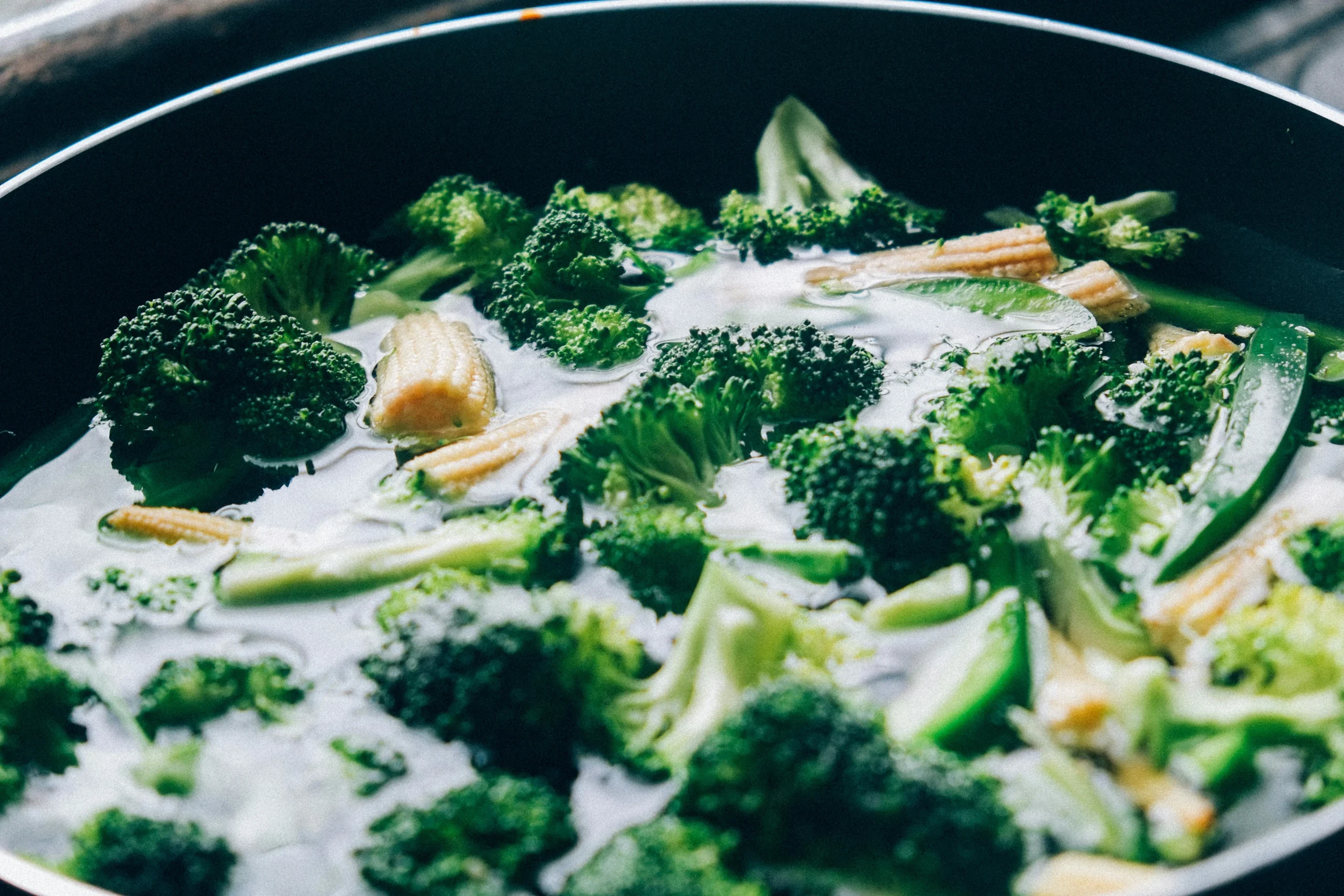
    A pot with a lid and a steaming basket is one of the easiest setups. The main idea is to keep the vegetables above the water rather than sitting in it. Steam should do the cooking, while the water below creates the heat and moisture needed for the process.

    Cooking educators often remind beginners that the water level matters. If the water touches the vegetables directly, the result may move closer to boiling than steaming. That can change the texture and sometimes weaken the clean flavor many home cooks want from steamed vegetables.

    A fitted lid is also useful because it traps steam and keeps the heat more stable. Without a good lid, steam escapes too quickly and the cooking process becomes less even. This can make timing harder to judge, especially with tender vegetables.

    how to steam vegetables using a basket over simmering water

    Credit: Ahimsa – OM  / Pexels

    How to steam vegetables step by step

    Start by washing and cutting the vegetables into pieces that are close in size. Similar sizing helps them cook more evenly. Bring the water below the basket to a steady simmer, then add the vegetables and cover the pot. The lid should stay on most of the time so the steam can do its work efficiently.

    As the vegetables cook, color and texture begin to change. Greens may brighten quickly, while denser vegetables usually take longer. Cooking teachers often recommend checking the vegetables before assuming they need more time. A fork or knife can help test tenderness, but the goal is usually not complete softness.

    Once the vegetables reach the desired texture, they should be removed promptly. Leaving them in the covered setup after the heat is off can continue the cooking and push them past their best point. This is one of the easiest ways to lose both color and texture without noticing it right away.

    How does vegetable type affect steaming time?

    Not all vegetables respond to steam in the same way. Tender vegetables such as spinach, green beans, peas, or broccoli florets may need only a short time. Denser vegetables like carrots or thicker pieces of cauliflower often need longer. This is why home cooks often get better results by grouping vegetables with similar texture and density.

    Food educators often explain that mixed vegetable steaming can work well if the cooking order is planned. Faster-cooking vegetables may need to be added later, while slower ones can get a head start. This keeps the final dish more balanced and reduces the chance that one vegetable becomes too soft while another stays too firm.

    What common mistakes affect steamed vegetables?

    One common mistake is using too much water. Steaming depends on water below the vegetables, not around them. Another issue is crowding the basket. If the vegetables are packed too tightly, steam may not move evenly and some areas may cook faster than others.

    Overcooking is another frequent problem. Because vegetables can look harmless while steaming, it is easy to give them too much time. Food instructors often warn that a minute or two can make a big difference, especially with tender vegetables that move quickly from crisp-tender to limp.

    Skipping the finishing step can also weaken the result. Steamed vegetables often benefit from a small final touch such as herbs, citrus, or a modest seasoning. Without that, they may taste plain even when the texture is correct.

    Should steamed vegetables be finished after cooking?

    Yes, in many cases they should. Steaming gives vegetables a gentle base, but the final flavor often improves with a small finish. A little seasoning, fresh herbs, citrus juice, or a light sauce can help the vegetables feel more complete without making them heavy.

    Cooking professionals often describe steamed vegetables as a flexible base rather than a finished idea. This means the method provides texture and structure, while the final additions shape the overall direction of the dish. For home cooks, this can make steaming feel much more useful across different meals.

    How can home cooks use steamed vegetables in more than one meal?

    Steamed vegetables are easy to move into rice bowls, simple pasta dishes, soups, and quick lunches. They can also work as side dishes beside grains or eggs. Meal planning educators often recommend steaming vegetables that can be used in more than one way because it spreads effort across multiple meals.

    This flexibility also helps reduce waste. A batch of steamed vegetables does not need to stay in one form. They can be served warm the first day, then folded into another dish later if handled well and used in time. That makes steaming practical for busy kitchens.

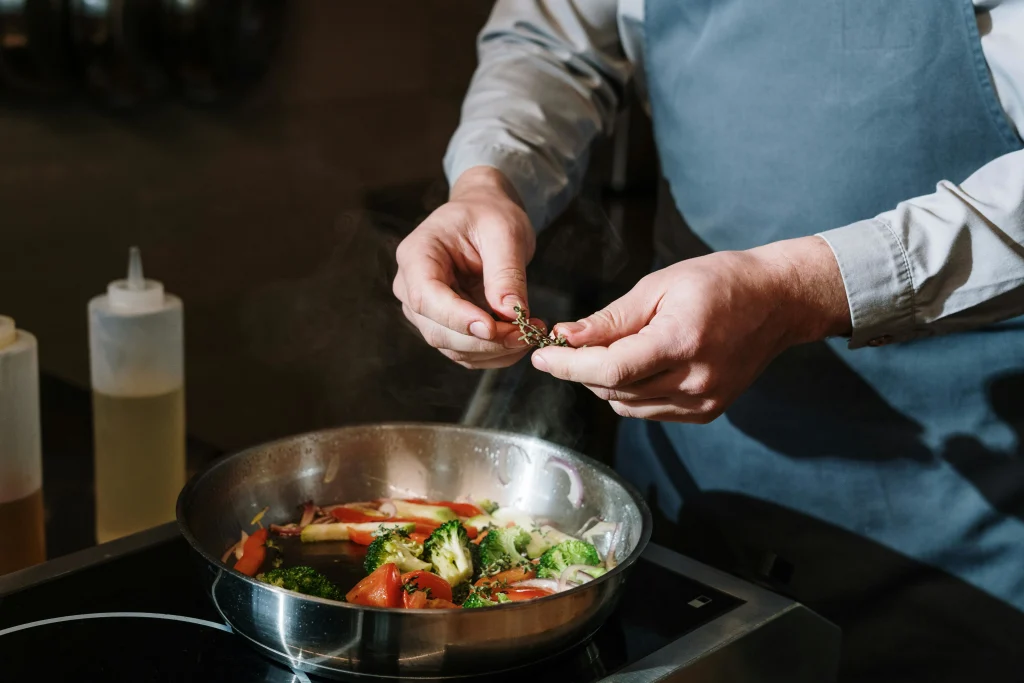
    how to steam vegetables and finish them with herbs for better flavor

    Credit: cottonbro studio / Pexels

    Frequently Asked Questions

    Q: What is the biggest mistake when learning how to steam vegetables?
    A: Overcooking is one of the biggest mistakes. It can cause vegetables to lose color, texture, and freshness very quickly.

    Q: Should vegetables touch the water while steaming?
    A: No. In most steaming setups, the vegetables should sit above the water so the steam does the cooking instead of direct boiling water.

    Q: Can different vegetables be steamed together?
    A: Yes, but it helps to group vegetables with similar cooking times. Tender vegetables may need less time than denser ones.

    Q: Do steamed vegetables need seasoning after cooking?
    A: Often they do. A small finishing touch such as herbs, citrus, or light seasoning can make them taste more balanced and complete.

    Key Takeaway

    Learning how to steam vegetables helps home cooks keep meals lighter, brighter, and more practical. The best results usually come from proper setup, careful timing, and removing the vegetables as soon as they reach the right texture. A simple finishing touch can also make steamed vegetables feel more complete. For everyday cooking, steaming is one of the most useful basics to learn well.


    [INTERNAL LINKING SUGGESTIONS]

    • How to Sauté Onions for Better Flavor in Everyday Cooking
    • 7 Roasted Vegetable Mistakes That Can Ruin Flavor and Texture
    • 7 Rice Bowl Meals That Make Busy Weeknights Easier
  • 8 Soup Mistakes That Can Make Homemade Bowls Taste Flat

    8 Soup Mistakes That Can Make Homemade Bowls Taste Flat

    Soup mistakes are easy to make because soup seems simple at first glance. Everything goes into one pot, the liquid simmers, and it feels like the meal should come together on its own. But homemade soup can still turn out thin, bland, watery, or uneven if the base is rushed, the texture isn’t balanced, or the final steps are overlooked. For home cooks, a few small missteps can affect the entire bowl.

    Cooking instructors often explain that soup builds in stages. What you do at the beginning shapes the middle, and what you adjust at the end determines whether the dish feels complete. Food educators also point out that good soup isn’t just about flavor—texture, body, and finishing touches matter just as much.

    Why do soup mistakes happen so often?

    Soup can feel forgiving because extra liquid can hide early issues. A pot may look full and comforting, yet still taste flat if the ingredients weren’t developed properly or the balance never came together. This can make soup tricky, especially for beginners, since it doesn’t always show its problems right away.

    Home cooking teachers often say that soup rewards patience more than complexity. Even a short ingredient list can create a rich, satisfying result when handled well. On the other hand, adding more ingredients won’t fix a weak foundation.

    1. Rushing the flavor base is one of the biggest soup mistakes

    Many soups start with ingredients like onion, garlic, celery, and carrots. If these are rushed, the soup may never develop enough depth. Instead of forming a rich base, the ingredients can taste like they were simply heated together.

    Cooking educators often recommend taking time at the beginning to let these ingredients soften and release their flavor before adding liquid. This early step has a bigger impact on the final result than many people expect.

    2. Using too much liquid can weaken homemade soup

    Adding extra liquid might seem harmless, but it can quickly dilute the entire dish. When there’s too much, the ingredients can feel disconnected, and the soup may taste thin even if the pot looks full.

    Food instructors often remind cooks to treat liquid as part of the flavor, not just a filler. Whether it’s water, broth, or stock, it should support the ingredients rather than overpower them.

    3. Soup mistakes often begin with uneven ingredient size

    When ingredients are cut into uneven sizes, they cook at different rates. Smaller pieces may become too soft while larger ones are still firm, leading to an unbalanced texture.

    Knife skills don’t need to be perfect, but aiming for similar sizes helps everything cook more evenly. Kitchen educators often suggest thinking about the final texture before you start cutting, especially in soups where the ingredients remain visible in the bowl.

    avoiding soup mistakes by cutting ingredients into even sizes

    Credit: Nataliya Vaitkevich / Pexels

    4. Boiling too hard can hurt texture

    A rolling boil might seem like a faster way to cook, but it can actually damage the texture of many ingredients. Softer vegetables, noodles, grains, and beans can break apart or become mushy when the liquid is too aggressive.

    Cooking teachers usually recommend keeping the pot at a gentle simmer instead. A steady, lower heat helps ingredients cook evenly and keeps the soup clearer and more balanced in texture.

    5. Adding everything at the same time is another common soup mistake

    Not all ingredients cook at the same speed. Dense vegetables often need more time than leafy greens, herbs, or quick-cooking grains. When everything goes into the pot at once, some ingredients may overcook while others are still underdone.

    Food educators often suggest building soup in stages. This approach allows each ingredient to cook properly and keeps the final texture more balanced instead of forcing everything into the same timeline.

    6. Seasoning only once can leave the bowl unbalanced

    Soup evolves as it cooks. Liquid reduces, ingredients soften, and flavors begin to blend. If seasoning is done only at the start or only at the end, the result can feel uneven or incomplete.

    Many homemade soup tips emphasize tasting throughout the process. Professional cooks often adjust seasoning gradually, which helps the soup develop a more balanced flavor over time.

    7. Forgetting texture contrast can make soup feel dull

    Even a well-seasoned soup can feel flat if every ingredient has the same texture. A satisfying bowl usually includes some contrast—vegetables that hold their shape, grains with a bit of bite, or a finishing element that adds freshness.

    Food writers often point out that texture plays a big role in how flavor is experienced. A soup with variety in texture tends to feel more lively and enjoyable, even when it uses simple ingredients.

    8. Skipping the final finish is one of the easiest soup mistakes to fix

    Some of the simplest improvements happen right at the end. Fresh herbs, a squeeze of citrus, cracked pepper, or another light finishing touch can brighten a soup that feels dull.

    Cooking instructors often explain that long cooking can soften or mute flavors. A fresh addition at the end brings back contrast and helps the dish feel complete rather than heavy.

    How can home cooks avoid soup mistakes more easily?

    A practical approach is to slow down at the beginning, cut ingredients with texture in mind, keep the heat at a gentle simmer, and taste as you go instead of waiting until the end. These habits don’t make soup more complicated—they just give it a better chance to turn out balanced.

    Food educators often remind cooks that good soup comes from a steady, thoughtful process. Small adjustments along the way are much easier than trying to fix everything at the last minute.

    Frequently Asked Questions

    Q: Why does homemade soup sometimes taste flat?
    A: Flat soup often comes from a rushed flavor base, too much liquid, or weak final seasoning. Missing finishing touches can also make the bowl seem dull.

    Q: Is simmering better than boiling for soup?
    A: In many cases, yes. A steady simmer often protects texture better and helps the soup stay more balanced than a hard boil.

    Q: Should all soup ingredients go in at the same time?
    A: Not usually. Different ingredients cook at different speeds, so staged cooking often gives better texture and a more even result.

    Q: Can a final garnish really improve soup?
    A: Yes. Fresh herbs, citrus, or another light finishing touch can brighten a bowl and help it feel more complete.

    Key Takeaway

    Soup mistakes often come from rushing the base, overfilling with liquid, boiling too hard, or skipping final balance. Homemade soup improves when ingredients are cut evenly, cooked in the right order, and seasoned gradually. Texture matters just as much as flavor in a good bowl. For home cooks, a few careful habits can turn simple soup into something much more satisfying.


    [INTERNAL LINKING SUGGESTIONS]

    • 8 Cooking Tips That Can Help Soups Taste More Balanced
    • How to Steam Vegetables So They Stay Bright and Tender
    • 7 Rice Bowl Meals That Make Busy Weeknights Easier
  • 6 Autumn Apple Recipes That Keep Everyday Cooking Simple

    6 Autumn Apple Recipes That Keep Everyday Cooking Simple

    Autumn apple recipes are popular because apples are one of the most versatile seasonal ingredients, working just as well in sweet dishes as they do in savory ones. They can be sliced into breakfast bowls, baked into simple desserts, cooked into sauces, or added to salads and grain-based meals. For home cooks, apples are especially practical—they store well, adapt to different recipes, and add natural sweetness without requiring complicated preparation.

    Food educators often point out that seasonal recipes work best when the main ingredient stands out rather than getting lost among too many additions. Apples fit this approach well. Their flavor remains distinct in simple dishes, and their texture shifts in useful ways depending on how they’re prepared—whether raw, baked, sautéed, or simmered.

    Why do autumn apple recipes fit seasonal cooking so well?

    Autumn cooking often leans toward ingredients that are comforting, practical, and easy to use again and again. Apples naturally fit this style. They can be part of quick snacks, warm breakfasts, baked treats, or simple dinners. They also pair easily with spices, grains, yogurt, nuts, and other ingredients commonly used during cooler months.

    Fresh ingredient specialists often highlight how different apple varieties behave differently in cooking. Some keep their shape, while others soften quickly. This makes apples especially flexible, allowing home cooks to use them in a wide range of recipes throughout the season.

    1. Baked apples are among the easiest autumn apple recipes

    Baked apples are a great example of how simple seasonal cooking can be. They require very little preparation—just halved or whole apples, a light filling or seasoning, and some time in the oven. As they cook, their natural sweetness becomes more pronounced, making them ideal for a simple dessert or even a warm breakfast option.

    Cooking instructors often recommend baked fruit recipes because they rely more on ingredient quality than technique. Apples are particularly well suited for this because they soften nicely while still holding their structure.

    2. Apple and oat breakfast bowls keep mornings simple

    Apples work naturally in warm breakfast bowls, adding both texture and gentle sweetness. They can be chopped and lightly cooked or used fresh, depending on the style you prefer. Combined with oats and simple seasoning, they create a breakfast that feels seasonal without being complicated.

    Meal planning educators often support this type of recipe because it’s easy to adjust. The same apple-based base can be used across several mornings, making it practical for everyday routines rather than just occasional meals.

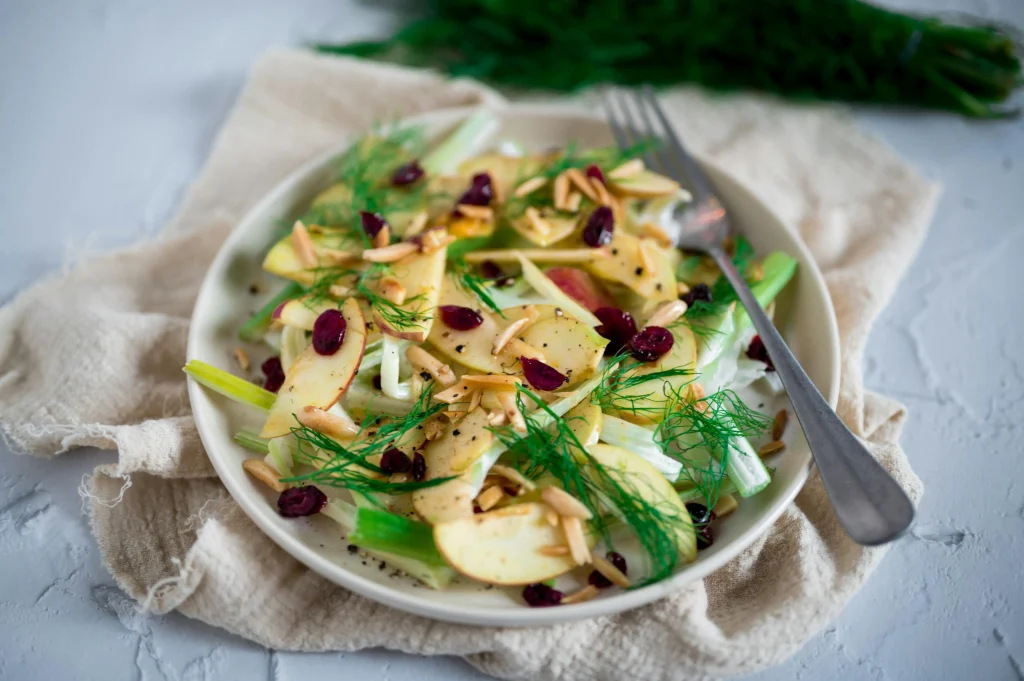
    3. Autumn apple recipes also work well in salads

    Not every autumn dish needs to be warm or baked. Fresh apples can add a crisp, refreshing contrast to salads made with greens, grains, nuts, or herbs. This balance becomes especially useful in cooler months, when many dishes tend to be softer and heavier.

    Food writers often note that strong seasonal salads rely on contrast. Apples bring that crisp element while still fitting naturally into autumn flavors. This makes them a good choice for lighter lunches or dinners that still feel connected to the season.

    autumn-apple-recipes-in-a-seasonal-salad-with-fresh-ingredients

    Credit:  eat kubba / Pexels

    4. Simple apple compote can support more than one meal

    A lightly cooked apple compote is useful because it can be used across multiple meals. The apples are simmered until soft but still hold some shape, which keeps the texture flexible. The result can be added to yogurt, oats, pancakes, or other simple dishes without much extra effort.

    Food educators often recommend this approach because it helps use apples more efficiently and reduces waste. It also allows home cooks to prepare one batch and use it in different ways, rather than starting from scratch each time.

    5. Roasted apple and vegetable trays can add sweet contrast

    Although apples are often linked to sweet dishes, they can also work well in savory roasting. When paired with vegetables, their natural sweetness adds contrast and can make the overall dish feel more balanced. The key is choosing ingredients that roast at a similar rate.

    Cooking teachers often point out that autumn meals benefit from this kind of contrast. Apples can bring a subtle brightness to more earthy ingredients without making the dish feel overly sweet or complicated.

    6. Light apple bakes keep autumn apple recipes practical

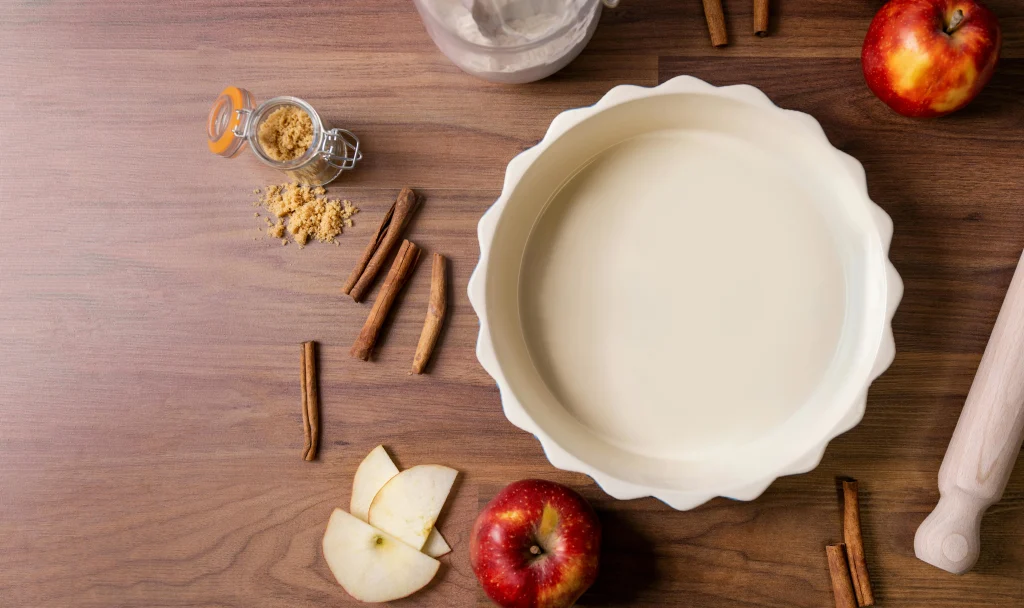
    Simple apple bakes remain popular because they capture the season without requiring a complex dessert. Sliced apples baked with oats or a light topping can create a dish that works as a dessert, snack, or even breakfast, depending on how it’s served.

    Meal planning specialists often value foods that can be used in more than one way. A light apple bake fits that idea well, since it can stretch across multiple meals instead of being limited to a single occasion.

    autumn apple recipes in a simple baked dish with oats

    Credit: Georgie Devlin / Pexels

    How should apples be chosen for seasonal recipes?

    Not every apple behaves the same way once it is cut or heated. Some hold their structure better, while others soften quickly. Food specialists often encourage home cooks to think about the final use before choosing the apple. A firmer variety may be better for salads or roasting, while a softer one may suit sauces or bakes more easily.

    It also helps to choose apples with a clear purpose instead of buying a large amount without a plan. Seasonal recipes become more practical when ingredients are tied to two or three likely meals rather than one idea only. This can reduce waste and make apples easier to use across the week.

    Frequently Asked Questions

    Q: What makes autumn apple recipes different from other apple dishes?
    A: Autumn apple recipes often focus on seasonal use, warm meals, practical bakes, and ingredient pairings common in cooler months. They usually keep apples as a clear part of the dish rather than hiding them.

    Q: Can apples work in savory meals?
    A: Yes. Apples can add sweet contrast to salads, grain bowls, and roasted vegetable trays. Their texture and brightness can help balance heavier autumn ingredients.

    Q: Do apples always need to be peeled?
    A: Not always. That depends on the dish, the apple, and the texture the cook wants. Many simple recipes work well with the peel left on.

    Q: Are autumn apple recipes good for meal prep?
    A: Many are. Apple compote, baked apples, and light apple bakes can all be prepared in ways that support repeated meals through the week.

    Key Takeaway

    Autumn apple recipes are useful because apples fit naturally into breakfasts, salads, simple bakes, sauces, and savory trays. Their flavor and texture make them one of the easiest seasonal ingredients to repeat across different meals. Choosing the right style of apple for the dish can improve results and reduce waste. For everyday autumn cooking, apples remain one of the most practical ingredients to build around.


    [INTERNAL LINKING SUGGESTIONS]

    • How to Pick Fresh Lemons for Better Flavor in Everyday Cooking
    • 6 Summer Tomato Recipes That Keep Cooking Simple and Fresh
    • 7 Rice Bowl Meals That Make Busy Weeknights Easier
  • A Simple Guide to Blanching Vegetables for Better Color and Texture

    A Simple Guide to Blanching Vegetables for Better Color and Texture

    A practical guide to blanching vegetables can help home cooks keep vegetables brighter in color, more tender, and easier to work with in later dishes. Blanching is a simple technique that involves briefly cooking vegetables in boiling water and then quickly cooling them to stop the cooking process. While it may sound technical, it’s actually one of the most useful and approachable steps in everyday cooking.

    Cooking instructors often point out that blanching isn’t meant to fully cook most vegetables. Instead, it helps preserve color, lightly soften the texture, and prepare them for salads, stir-fries, freezing, or finishing later in another dish. Once you understand that purpose, the process becomes much easier to use effectively.

    Why is a guide to blanching vegetables helpful in everyday cooking?

    Vegetables respond quickly to heat. Left in boiling water too long, they can lose their color and become overly soft. On the other hand, skipping a quick pre-cook step can leave them too firm or uneven in the final dish. Blanching creates a useful middle ground that works well in many recipes.

    Food educators often explain that blanching gives cooks more control over timing. Instead of relying on one final cooking step to do everything, vegetables can be partially prepared in advance. This is especially helpful in busy kitchens, where multiple parts of a meal need attention at the same time.

    What happens during blanching?

    Blanching typically starts with a pot of boiling water. Vegetables are added and left in just long enough to begin softening and, in many cases, to bring out a brighter color. They are then removed and cooled quickly, usually in cold or ice water, to stop the cooking process.

    Cooking teachers often describe this as a two-step method: brief heat followed by rapid cooling. Both steps are important. The boiling stage changes the vegetable, while the cooling stage helps lock in the texture you want.

    That’s why any good guide to blanching vegetables includes the cooling step. Without it, the vegetables can continue cooking from their own heat even after they’ve been removed from the pot, which can undo the precision of the process.

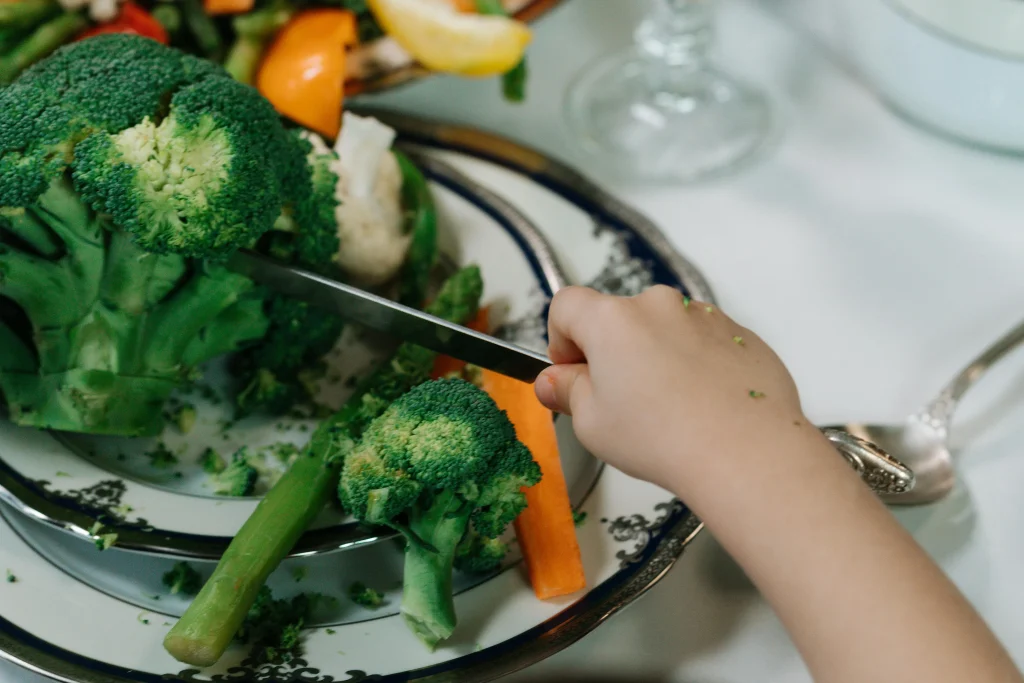
    guide to blanching vegetables for later use in meals

    Credit: cottonbro studio / Pexels

    Which vegetables work well in a guide to blanching vegetables?

    Many green vegetables respond especially well to blanching. A brief exposure to heat can brighten their color while keeping some of their natural structure intact. Green beans, broccoli, peas, asparagus, and leafy greens are common choices. Other vegetables can also be blanched, but the timing and purpose may vary depending on their texture and how they’ll be used.

    Fresh ingredient educators often point out that denser vegetables usually need a bit more time than delicate greens. For that reason, it’s often easier to blanch similar vegetables together rather than mixing different types in one batch. Grouping by texture and density helps keep timing more predictable and results more consistent.

    How should vegetables be prepared before blanching?

    Preparation should be done before the water even comes to a boil. Vegetables should be washed, trimmed, and cut into fairly even pieces so they cook at the same rate. Uneven sizes can lead to mixed results, with some pieces staying too firm while others soften too much.

    Kitchen educators often suggest setting up both the boiling pot and a bowl of cold water ahead of time. Blanching happens quickly, so having everything ready allows the vegetables to move smoothly from one step to the next. A little preparation upfront helps the process stay simple and controlled.

    Why is the cold-water step so important?

    The cooling step is what stops the cooking process. Without it, the heat inside the vegetables continues to soften them even after they’ve been removed from the pot. This can quickly lead to overcooking, especially with more delicate vegetables.

    Food science educators often explain that this is what separates blanching from basic boiling. The short heat exposure starts the process, but the quick cooling helps preserve the texture and color you’re aiming for.

    How can blanched vegetables be used later?

    Blanched vegetables are versatile and easy to use in a variety of dishes. They work well in salads, quick sautés, stir-fries, soups, and grain bowls. Since they’re already partially cooked, they usually need less time in the final dish, which can make meal prep faster and more flexible.

    Meal planning educators often recommend blanching vegetables ahead of time when preparing for the week. This allows them to be used across multiple meals, turning a simple technique into a practical time-saving habit.

    What common mistakes affect blanching?

    One of the most common mistakes is leaving vegetables in boiling water too long. Another is skipping the cooling step and assuming that removing them from the pot is enough. Overcrowding the pot can also affect results, as too many vegetables at once can lower the water temperature and lead to uneven cooking.

    Cooking teachers often suggest working in smaller batches if needed. This helps maintain consistent heat and gives each piece a better chance to cook evenly. Like many simple techniques, blanching works best when it’s done with a bit of care rather than rushed.

    How can home cooks make blanching feel easier?

    A simple way to think about blanching is in three steps: prepare first, boil briefly, then cool quickly. Seeing it as a short prep step rather than full cooking makes it easier to understand and apply.

    Food educators often remind beginners that blanching is about control. It gives vegetables a small head start, helping with color, texture, and timing later on. For everyday cooking, that can make meals easier to manage without adding much extra effort.

    Frequently Asked Questions

    Q: What is the main purpose of blanching vegetables?

    A: Blanching helps lightly cook vegetables while preserving color and texture. It also prepares them for later cooking or use in other dishes.

    Q: Do blanched vegetables always need an ice bath?

    A: They usually need a quick cooling step to slow further cooking. Cold water is commonly used because it helps protect the texture reached during blanching.

    Q: Can all vegetables be blanched the same way?

    A: No. Different vegetables respond differently to heat, so timing often changes based on texture, size, and final use.

    Q: Is blanching useful for meal prep?

    A: Yes. Blanched vegetables can be easier to finish later in salads, bowls, stir-fries, and other quick meals.

    Key Takeaway

    A strong guide to blanching vegetables depends on brief boiling, quick cooling, and clear timing. Blanching is useful because it can preserve color, protect texture, and make later meal prep easier. The method works best when vegetables are prepared in advance and moved quickly between the hot and cold stages. For home cooks, it is a simple skill that can make vegetable cooking more controlled and more flexible.


    [INTERNAL LINKING SUGGESTIONS]

    • How to Steam Vegetables So They Stay Bright and Tender
    • 7 Roasted Vegetable Mistakes That Can Ruin Flavor and Texture
    • How to Choose Fresh Herbs for Better Flavor in Everyday Cooking
  • How to Pick Fresh Lemons for Better Flavor in Everyday Cooking

    How to Pick Fresh Lemons for Better Flavor in Everyday Cooking

    Learning how to pick fresh lemons can make a noticeable difference in everyday cooking. Even though lemons are often used in small amounts, they can quickly brighten soups, pasta, salads, grain bowls, roasted vegetables, and simple sauces. When the fruit is fresh, the juice tastes cleaner, the zest has a stronger aroma, and the final dish feels more balanced.

    Fresh ingredient educators often explain that citrus is one of the easiest ways to sharpen flavor without adding heaviness. Still, not every lemon delivers the same result. Factors like texture, weight, skin condition, and storage all affect how useful the fruit will be once you bring it home.

    Why Does Knowing How to Pick Fresh Lemons Matter So Much?

    Lemons are often used as finishing ingredients, which means their flavor stands out immediately. A dry lemon with little juice or weak aroma can leave a dish tasting flat, even if everything else is done well. A fresh lemon, on the other hand, can lift simple food with very little effort.

    Cooking instructors often point out that ingredient quality matters most when it’s not hidden. Since lemon juice and zest are usually added at the end, their freshness has a direct impact on the final taste.

    What Should Home Cooks Look For When Learning How to Pick Fresh Lemons?

    Weight is one of the most practical indicators. A lemon that feels heavy for its size is more likely to be full of juice, while a lighter one may be drier. It’s not a perfect rule, but it’s a reliable starting point when choosing fruit.

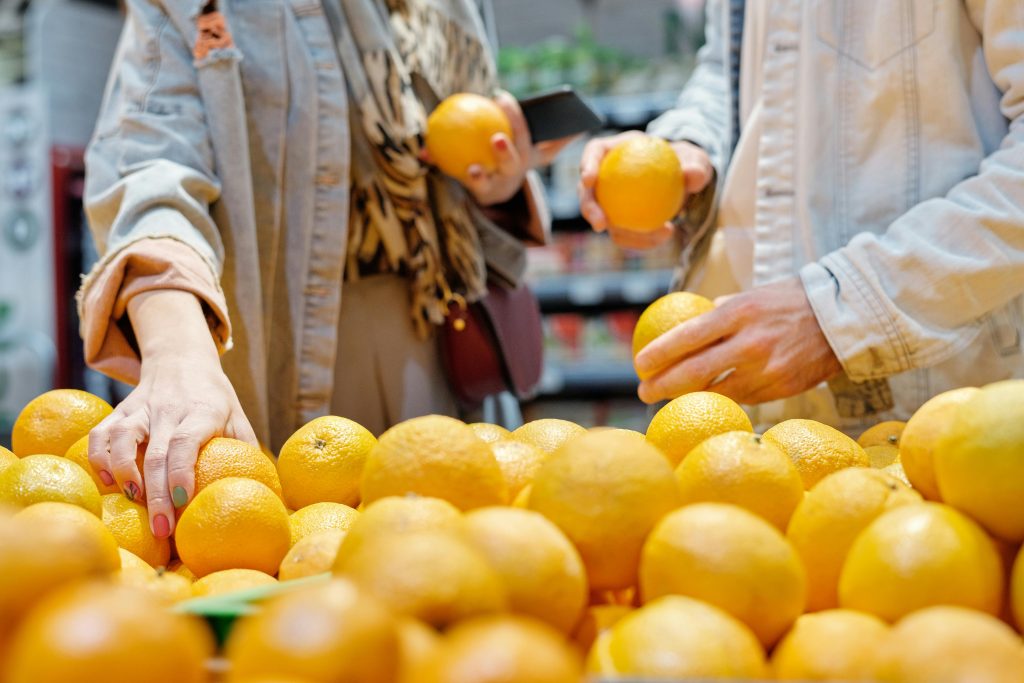
    The skin is another important clue. Fresh lemons usually look bright and smooth rather than dull, wrinkled, or dry. Minor surface marks are normal, but deep soft spots can signal that the fruit is starting to lose quality. Fresh ingredient specialists often suggest choosing lemons with clean, healthy-looking skin.

    Texture also helps guide the choice. A good lemon should feel firm but still have a slight give. If it feels overly soft in certain areas, it may be past its best. If it feels very hard and rigid, it may not have much juice inside.

    how to pick fresh lemons by checking skin texture and weight
    Credit: Jack Sparrow / pexels

    How Does Smell Help When Deciding How to Pick Fresh Lemons?

    Smell is one of the quickest ways to judge freshness. A good lemon usually gives off a clean, bright citrus scent, especially when the skin is rubbed lightly. If the aroma feels faint or dull, the fruit may already be past its peak.

    Food educators often explain that scent reflects the quality of the oils in the peel. This matters most when using zest, since aroma plays a big role in flavor. A fragrant lemon can noticeably improve dressings, pasta finishes, baked goods, and simple savory dishes.

    Does the Look of the Peel Affect How Useful the Lemon Will Be?

    Yes—especially when zest is part of the recipe. A smooth, healthy-looking peel provides better zest, since that outer layer is where the most aromatic oils are found. Lemons with deep damage, heavy drying, or rough skin may not offer the same quality.

    Culinary instructors often point out that juice and zest serve different purposes. Juice brings acidity, while zest adds depth and fragrance. A lemon with a good peel can therefore be more valuable in the kitchen than one chosen only for its size or color.

    How Should Lemons Be Stored After Buying Them?

    Storage affects how long lemons stay fresh and how easy they are to use. Keeping them at room temperature works well if they’ll be used soon, but for longer storage, a cooler environment helps preserve quality.

    Fresh ingredient specialists often recommend checking lemons regularly after purchase. If they start to soften, it’s best to use them quickly before they decline further. This is especially helpful when buying several lemons for use across multiple meals.

    It also helps to buy only what you can use within a reasonable time. A smaller number of fresh lemons with a clear plan is often more practical than storing too many for too long.

    How Can Cooking With Lemons Reduce Food Waste?

    Lemons are useful because nearly every part can be used. The juice works well in dressings, soups, sauces, and grain dishes, while the zest adds brightness to pasta, roasted vegetables, yogurt-based sauces, and baked goods.

    Meal planning educators often suggest thinking across meals. One lemon can contribute to several dishes over a few days—a dressing one day, a soup the next, and a grain bowl later on. Using both juice and zest helps get the most value from each fruit while reducing waste.

    cooking with lemons after learning how to pick fresh lemons
    Credit: Felicity Tai / pexels

    When Should Lemons Be Added During Cooking?

    Timing can make a big difference in how lemons affect a dish. In many cases, lemon juice is best added near the end of cooking so its fresh, bright flavor stays noticeable. Zest is also often used at the end or during finishing stages, especially when the goal is to keep the citrus aroma clear and lively.

    Cooking teachers often explain that extended heat can soften or dull some of the sharper citrus notes. For home cooks, this means a small amount added late can sometimes have more impact than a larger amount added earlier. Paying attention to timing helps lemons work more effectively, even in simple meals.

    How to Pick Fresh Lemons Without Overbuying

    A practical approach is to buy lemons based on actual meal plans rather than habit. If only one or two dishes need them, it usually makes more sense to purchase a small amount instead of stocking up.

    Fresh ingredients tend to work best when they have a clear purpose. A couple of well-chosen lemons can support several meals when used thoughtfully. Buying more than needed, on the other hand, often leads to unused fruit and unnecessary waste.

    Frequently Asked Questions

    Q: What is the easiest way to tell if a lemon is fresh?
    A: A fresh lemon often feels heavy for its size and has firm, healthy-looking skin. A clean citrus smell can also be a useful sign.

    Q: Are softer lemons always bad?
    A: Not always, but very soft areas can suggest the fruit is past its best. Slight softness may simply mean it should be used soon.

    Q: Does peel quality matter if only the juice is needed?
    A: It matters less for juice alone, but healthy skin still often suggests better overall freshness. If zest will be used, peel quality becomes much more important.

    Q: Can lemons improve simple meals that do not seem citrus-based?
    A: Yes. Lemon can brighten soups, roasted vegetables, grains, pasta, and salads even when it is not the main flavor.

    Key Takeaway

    Learning how to pick fresh lemons helps home cooks get brighter flavor, better zest, and more juice from a simple ingredient. Details like weight, skin condition, aroma, and proper storage all influence quality. Using both the zest and the juice also helps reduce waste and make the most of each lemon. For everyday cooking, a few well-chosen lemons can lift many meals with very little effort.


    [INTERNAL LINKING SUGGESTIONS]

    • How to Choose Fresh Herbs for Better Flavor in Everyday Cooking
    • 6 Summer Tomato Recipes That Keep Cooking Simple and Fresh
    • 8 Cooking Tips That Can Help Soups Taste More Balanced
  • 7 Rice Bowl Meals That Make Busy Weeknights Easier

    7 Rice Bowl Meals That Make Busy Weeknights Easier

    Rice bowl meals are one of the easiest ways to put together dinner using ingredients you likely already have at home. You can start with a simple base of cooked rice and build from there—adding vegetables, eggs, beans, herbs, or leftovers from earlier meals. That flexibility makes rice bowls especially useful on busy nights when there’s no time for detailed planning or extra shopping.

    Meal planning educators often recommend this approach because it removes pressure. Instead of following a strict recipe, you’re working with a simple structure: a base, a topping, a vegetable, and a finishing flavor. This makes weeknight cooking more manageable while still allowing plenty of variety from one meal to the next.

    Why Do Rice Bowl Meals Work So Well for Easy Meals?

    Easy meals often come down to using ingredients that can be combined in different ways without waste. Rice fits that role well because it pairs easily with a wide range of flavors and textures. It works for warm meals, room-temperature bowls, quick lunches, or dinners built from leftovers.

    Food educators often highlight that rice can be cooked ahead and reused across multiple meals. That way, you’re not starting from scratch every evening and can focus only on what needs to be added.

    1. Egg and Herb Rice Bowls Are Among the Fastest Rice Bowl Meals

    Rice bowls with eggs and fresh herbs are a quick option because they require very little once the rice is ready. A freshly cooked egg adds richness, while herbs bring a fresh, balanced flavor that rounds out the dish.

    Cooking instructors often describe eggs as one of the most flexible ingredients for easy meals. They cook quickly, pair naturally with grains, and can change the entire feel of a bowl without adding complexity.

    2. Roasted Vegetable Bowls Keep Weeknight Dinners Practical

    Roasted vegetables add both texture and depth to simple rice bowls. If you’ve prepared a batch earlier in the week, they can be added to rice with almost no extra effort. This turns one cooking session into several meals instead of just one.

    Meal prep specialists often recommend this method because it spreads effort across multiple days. Easy meals become more realistic when one prepared ingredient can be used again and again in different combinations.

    3. Bean-Based Rice Bowl Meals Add More Staying Power

    Beans are a reliable addition because they store well and work with many different flavor styles. When added to rice bowls, they help create a more filling meal while keeping the process simple.

    Food writers often point out that pantry staples make weeknight dinners easier by reducing the need for last-minute shopping. Beans and rice are a strong example of this, since they can be turned into many different meals with just a few added ingredients.

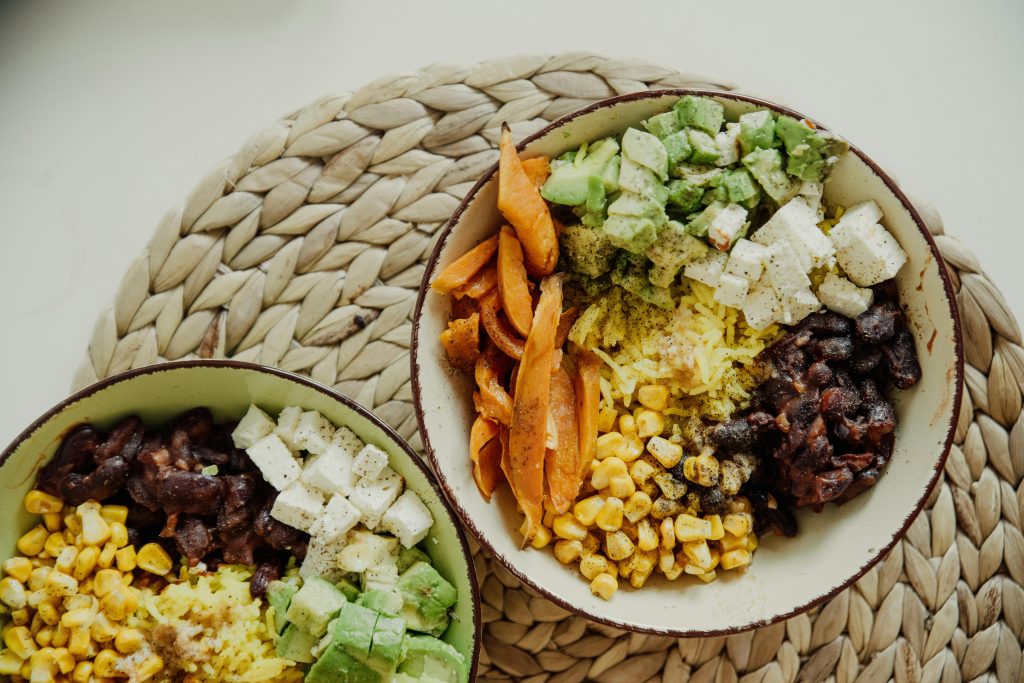
    rice bowl meals with beans vegetables and herbs for easy dinners
    Credit: Alesia Kozik / pexels

    4. Leftover Chicken or Fish Can Turn Plain Rice Into a Full Meal

    Rice bowls are especially useful for making the most of leftovers. Even a small portion of cooked chicken or fish can become a complete meal when added to rice with vegetables and a simple finishing touch. This makes it easier to reduce food waste while still creating something that feels fresh.

    Home cooking teachers often recommend this approach because leftovers don’t have to be repeated in the same way. Changing the format—like turning them into a rice bowl—can make familiar ingredients feel new with very little effort.

    5. Grain and Greens Bowls Can Keep Rice Bowl Meals Lighter

    Not every rice bowl needs to feel heavy. Pairing rice with fresh greens, herbs, and lighter vegetables can create a more balanced meal, especially for warmer days or when you want something less filling.

    Fresh ingredient educators often point out that lighter bowls work best when there’s contrast. Soft rice combined with crisp greens and a simple dressing or herb finish can make the dish feel complete without adding extra complexity.

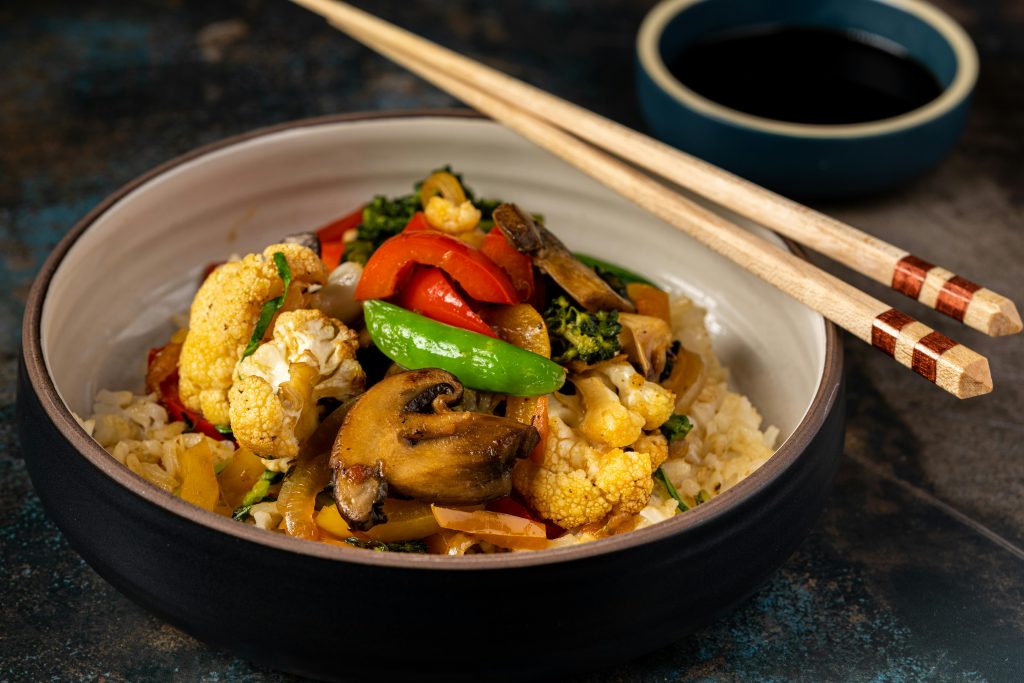
    6. Stir-Fried Vegetables Can Help Simple Rice Bowls Feel More Finished

    Quick stir-fried vegetables can bring warmth, texture, and flavor to a rice bowl without requiring a full additional recipe. Cooking them briefly helps keep their shape and freshness while adding just enough depth to the dish.

    Cooking professionals often note that fast cooking methods are especially useful for easy meals. A few minutes in the pan can turn basic ingredients into something that feels more balanced and intentional.

    7. Sauce and Toppings Can Shape the Whole Bowl

    The final layer of a rice bowl often has the biggest impact on how it tastes. A spoonful of yogurt, a squeeze of citrus, fresh herbs, or a light sauce can bring everything together. These additions don’t need to be heavy—small touches can make a noticeable difference.

    Food educators often remind home cooks that finishing ingredients should enhance the bowl, not overpower it. The goal is to balance and highlight the flavors, rather than cover them up with one dominant taste.

    rice bowl meals finished with herbs and sauce for better balance
    Credit: Skyler Ewing / pexels

    How Can Home Cooks Build Rice Bowl Meals More Easily?

    The easiest way to build rice bowl meals is to start with one prepared base and keep a few flexible additions on hand. Cooked rice, one vegetable, one protein or bean, and a simple finishing flavor are usually enough to create a complete meal. This approach keeps things practical while still allowing variety from one bowl to the next.

    Meal planning experts often suggest thinking in components rather than full recipes. Rice bowls work especially well this way because they can adapt to whatever is available—whether that’s seasonal produce, pantry staples, or leftovers already in the fridge.

    Frequently Asked Questions

    Q: What makes rice bowl meals useful for weeknights?
    A: Rice bowl meals are useful because they are flexible and easy to build from prepared rice, vegetables, and simple toppings. They help reduce the pressure of making a full recipe from scratch.

    Q: Can rice bowl meals work with leftovers?
    A: Yes. Leftover vegetables, chicken, fish, eggs, or beans can all be used in rice bowls. This makes them practical for reducing waste while still keeping dinner balanced.

    Q: Do rice bowl meals need a sauce?
    A: Not always. Some bowls work well with herbs, citrus, or yogurt instead. The goal is to add balance without making the bowl heavy.

    Q: Are rice bowl meals good for meal prep?
    A: They often are. Prepared rice and a few cooked toppings can be combined in different ways across several meals.

    Key Takeaway

    Rice bowl meals make weeknight cooking easier because they’re flexible, practical, and built from simple ingredients. Rice, vegetables, eggs, beans, leftovers, and light toppings can come together in many different combinations without much effort. The most reliable easy meals often come from having a clear structure rather than following strict recipes. For busy home cooks, rice bowls are one of the most useful and repeatable ways to put dinner together.


    [INTERNAL LINKING SUGGESTIONS]

    • A Simple Guide to Cooking Rice Without Guesswork
    • How to Choose Fresh Herbs for Better Flavor in Everyday Cooking
    • 8 Stir-Fry Mistakes That Can Leave Dinner Watery or Bland
  • 6 Summer Tomato Recipes That Keep Cooking Simple and Fresh

    6 Summer Tomato Recipes That Keep Cooking Simple and Fresh

    Summer tomato recipes are so popular for a reason—when tomatoes are fully ripe, they bring bold flavor to even the simplest dishes with very little effort. Their natural sweetness, tender texture, and bright acidity make them perfect for salads, pasta, toast, soups, and quick skillet meals. For home cooks, tomato season is often one of the easiest times to build fresh, satisfying meals around a single ingredient.

    Food educators often point out that seasonal recipes work best when the main ingredient is allowed to shine. Summer tomatoes rarely need heavy sauces or long preparation. A few well-chosen additions are usually enough to support their flavor while keeping the dish light and practical.

    Why do summer tomato recipes work so well in seasonal cooking?

    Ripe tomatoes are incredibly versatile. They can be served raw, gently warmed, roasted, or added toward the end of cooking. This flexibility makes it easy to use them across lunches, sides, and simple dinners.

    Experts who focus on fresh ingredients often explain that in-season tomatoes have better flavor and texture than those grown out of season. That makes them ideal for simple recipes where their taste can really stand out—an important advantage in seasonal cooking.

    1. Tomato and herb toast is one of the easiest summer tomato recipes

    Tomato toast works because it keeps things simple. Just chopped or sliced tomatoes, a few herbs, and a sturdy piece of bread can come together into a satisfying snack or light meal without much effort. The contrast between the soft tomatoes and crisp toast adds to the appeal.

    Cooking instructors often recommend recipes like this because they highlight ingredient quality. When tomatoes are at their peak, you don’t need much else to create a balanced dish.

    2. Simple tomato pasta keeps the ingredient at the center

    A quick tomato pasta can be made with fresh chopped tomatoes, garlic, herbs, and a little oil. The idea isn’t to hide the tomatoes in a heavy sauce, but to let them soften just enough to lightly coat the pasta. The result stays fresh and light rather than overly rich.

    Food writers often note that summer cooking benefits from shorter methods and fewer steps. A simple pasta built around ripe tomatoes fits that approach well, especially on warm days when long cooking times feel less appealing.

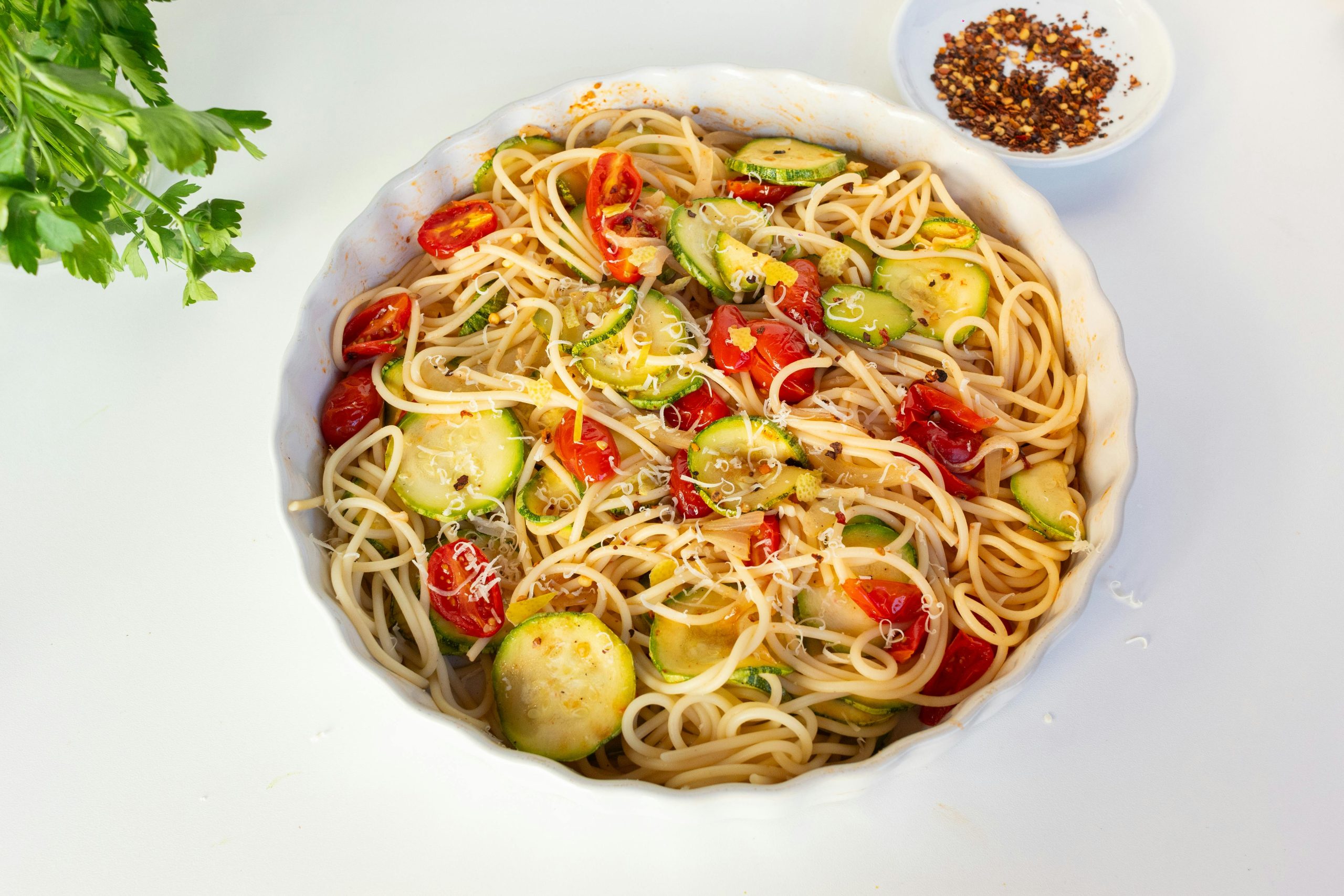
    summer tomato recipes in a light pasta with herbs

    Credit:   Laura oliveira / Pexels

    3. Tomato salad can be more than a side dish

    Tomato salad is often seen as a basic side, but it can easily become the main part of a light meal. Pair it with grains, beans, bread, or other simple additions, and it starts to feel more complete. Texture plays an important role here—tomatoes with a firm bite and full flavor make the dish more satisfying.

    Fresh ingredient experts often suggest keeping tomato salads simple so the tomatoes aren’t overwhelmed. A few herbs, a touch of acidity, and light seasoning are usually enough.

    4. Roasted tomatoes bring a deeper side of summer flavor

    Not every seasonal dish needs to stay raw. Roasting tomatoes intensifies their sweetness and creates a deeper flavor while still keeping their character intact. It’s a great option when you want something more concentrated without committing to a long-cooked sauce.

    Cooking teachers often point out that roasted tomatoes can be used in grain bowls, pasta, on toast, or served alongside eggs. That kind of flexibility makes them useful for multiple meals throughout the week.

    5. Chilled tomato soup can fit warm-weather meals

    Soup doesn’t always feel like a summer choice, but chilled tomato soups work surprisingly well in warm weather. They highlight the fresh flavor of tomatoes and tend to feel lighter than traditional, long-simmered versions. This makes them a good fit for refreshing seasonal meals.

    Food educators often explain that chilled soups depend heavily on ingredient quality. Since there’s less cooking involved, the tomatoes need to taste good from the start.

    6. Tomato grain bowls make summer tomato recipes easier to repeat

    Grain bowls are a practical way to turn ripe tomatoes into a flexible meal. Combine them with rice, couscous, or other grains, along with herbs and vegetables, and you have a base that can adapt to whatever ingredients you have on hand.

    Meal planning experts often recommend grain bowls because they work well for repeated lunches and simple dinners. During tomato season, they also make it easier to use fresh produce across several meals.

    summer tomato recipes in a grain bowl with fresh ingredients

    Credit: www.kaboompics.com / Pexels

    How should tomatoes be handled for better seasonal results?

    Tomatoes are best when handled gently and used close to their peak. Food specialists often suggest paying attention to firmness, aroma, and skin quality when selecting them. Good tomatoes don’t need much help—their flavor does most of the work.

    It also helps to match how you prepare them to how ripe they are. Very ripe tomatoes are great for sauces, roasting, or soups, while firmer ones work better in salads, toast, and grain bowls. This small adjustment can improve both texture and reduce waste.

    Frequently Asked Questions

    Q: What makes summer tomato recipes different from other tomato dishes?
    A: They rely on the natural flavor of ripe, seasonal tomatoes. Because the ingredient is at its best, the recipes can stay simple.

    Q: Do ripe tomatoes always need cooking?
    A: No. Many seasonal recipes use them raw or only lightly warmed to preserve their fresh taste and texture.

    Q: What flavors pair well with summer tomatoes?
    A: Herbs, garlic, grains, bread, and light pasta dishes all work well. These additions support the tomatoes without overpowering them.

    Q: Can summer tomato recipes work for meal prep?
    A: Yes. Roasted tomatoes, grain bowls, and some pasta dishes make it easy to use fresh tomatoes across multiple meals.

    Key Takeaway

    Summer tomato recipes are at their best when ripe tomatoes stay front and center. Whether it’s toast, pasta, salads, roasted dishes, chilled soup, or grain bowls, these recipes show just how versatile seasonal tomatoes can be. With simple preparation and fresh handling, tomatoes become one of the easiest ingredients to turn into everyday warm-weather meals.

    [INTERNAL LINKING SUGGESTIONS]

    How to Choose Fresh Herbs for Better Flavor in Everyday Cooking
    6 Pantry Pasta Meals That Make Weeknight Cooking Easier
    Cooking Tips That Can Help Soups Taste More Balanced

  • A Simple Guide to Roasting Potatoes With Better Crisp Edges

    A Simple Guide to Roasting Potatoes With Better Crisp Edges

    Lots of people who cook at home find that potatoes in the oven are often too soft, not nicely brown or with patchy coloring, rather than being all crisp and golden. Potatoes are a basic ingredient, but are very sensitive to how hot things are, how much room they have on the baking sheet, how wet they are and how you’ve cut them. What you do to get them ready to cook, even little things, will often determine if the final lot of potatoes is heavy and greasy or perfectly lovely.

    Teachers of cooking say that good roasted potatoes are about being fluffy inside and crunchy on the outside. The inside should be soft to a fork, and the outside should be nicely coloured and have some bite. When ordinary cooks realise how to achieve both of these at the same time, their potato dishes will become much more predictable in being good.

    Why is a guide to roasting potatoes useful for beginners?

    Potatoes seem easy because they are familiar and widely used. That can make roasting feel more automatic than it really is. When the pan is crowded, the potato pieces are too wet, or the oven is not ready, the texture can shift quickly in the wrong direction.

    Food educators often remind home cooks that potatoes roast best when surface moisture is reduced and heat can circulate well. Roasting is not only about leaving them in the oven long enough. It is about giving the oven the right conditions to work on the outside of each piece.

    How should potatoes be cut in a guide to roasting potatoes?

    When you cut potatoes to roughly the same size, they’ll cook at about the same rate. If the pieces are vastly different in size, the smaller ones will dry out by the time the bigger ones are soft. You’ll often end up with some potatoes being overly browned, and others remaining hard inside.

    Cooking experts generally recommend cutting your potatoes into pieces that are similar in both size and form, though they don’t have to be perfectly identical. This lets the heat get to all of them equally, makes it easier to stir them during roasting, and also makes the finished potatoes look nicer.

    How big you cut them can change depending on the dish, but having them be roughly the same is more important than being precise. At home, you’ll get better results if all the pieces cook through at a similar pace.

    guide to roasting potatoes with evenly cut pieces before oven cooking

    Credit:  Sergej  / Pexels

    Why do heat and pan spacing matter so much?

    To get lovely colour on roast potatoes, they need a good amount of heat and space to not get soggy. If you pack the roasting tin too tightly, the water coming from the potatoes will build up around them and stop them from going brown. Consequently, they’ll be soft all over instead of having crunchy edges.

    A lot of cooking instructors advise using a really big roasting sheet, or splitting the potatoes between two if you have a lot. This extra space allows the hot air to circulate, and each potato section gets a better opportunity to brown nicely. The oven will do a much better job if the potatoes aren’t piled on top of each other or too close together.

    Don’t forget to get the oven hot beforehand! Starting with a fully heated oven means the outside of the potatoes will cook better immediately. Most guides for roasting say that if you put the potatoes in before the oven is at the right temperature, it’ll delay browning and the final result won’t be as good as it could be.

    What role does moisture play in roasted potatoes?

    Moisture is one of the biggest texture factors in any guide to roasting potatoes. Water on the surface must evaporate before strong browning can happen. That means washed potatoes should be dried well before oil and seasoning are added.

    Food science educators often explain that potatoes naturally contain a lot of water, so surface moisture only adds to the challenge. Drying the cut pieces before roasting can help the oven move more directly toward color and crispness instead of spending extra time on evaporation.

    This is one reason roasted potatoes often respond well to patience during preparation. A little extra care before they go into the oven can improve the tray far more than trying to fix texture at the end.

    How should oil and seasoning be handled?

    Oil is what gives potatoes that nice browned surface and a good crispiness. If you don’t use enough, they’ll be dry and won’t taste as good, but loads of oil will make them feel greasy. A thin, all-over covering of oil is generally best, much better than a thick one.

    When it comes to flavouring, spread everything equally. Salt is generally added at the start, but more subtle herbs are often added towards the end of cooking because they can burn. Loads of chefs add flavour slowly, so the potatoes get nicely roasted first, and then have a fresher, more pronounced flavour added near to being served.

    When should potatoes be turned during roasting?

    Turning helps expose more sides to direct heat and can improve evenness. If potatoes remain in one position the entire time, one side may darken while the rest stays pale. A careful turn during roasting can help distribute color more effectively.

    Food educators often recommend turning only when the potatoes have begun to develop some structure. Moving them too early can increase sticking or break softer edges. Timing matters because texture is still forming in the early part of roasting.

    How can home cooks tell when roasted potatoes are done?

    Color is one clue, but it should not be the only one. Potatoes should look golden on the outside and feel tender inside when tested. A tray can appear browned in places while still holding firmer centers if the pieces were large or unevenly cut.

    Cooking professionals often encourage home cooks to use both sight and texture. Crisp edges are useful, but the center should still feel ready to eat. The strongest roasted potatoes balance both qualities rather than chasing color alone.

    Frequently Asked Questions

    Q: Why do roasted potatoes sometimes come out soft instead of crisp?
    A: Soft potatoes often come from crowding, excess moisture, or an oven that was not fully preheated. These conditions slow browning and encourage steaming.

    Q: Should potatoes be peeled before roasting?
    A: That depends on the dish and personal preference. Both peeled and unpeeled potatoes can roast well if they are cut evenly and handled properly.

    Q: Is turning potatoes during roasting really necessary?
    A: Turning is often helpful because it exposes more surfaces to heat and supports more even browning. It can improve texture across the whole tray.

    Q: Can herbs be added at the start of roasting?
    A: Some sturdy seasonings can go on early, but delicate herbs may burn. Many cooks add fresh herbs closer to the end for a brighter final flavor.

    Key Takeaway

    A strong guide to roasting potatoes depends on even cutting, good drying, enough pan space, and careful heat. Roasted potatoes improve when the oven can work on the surface of each piece instead of fighting trapped moisture. Turning them at the right time and watching both color and tenderness can also improve results. For home cooks, these simple habits make potato roasting more reliable and more rewarding.


    [INTERNAL LINKING SUGGESTIONS]

    • 7 Roasted Vegetable Mistakes That Can Ruin Flavor and Texture
    • How to Sauté Onions for Better Flavor in Everyday Cooking
    • Easy Meals That Use Roasted Potatoes and Fresh Herbs
  • 7 Food Facts About Eggs That Many Home Cooks Get Wrong

    7 Food Facts About Eggs That Many Home Cooks Get Wrong

    Many food facts about eggs are surrounded by confusion because eggs are used so often in everyday cooking. People boil them, fry them, bake with them, and use them in sauces, batters, and breakfast dishes. Because eggs feel familiar, many kitchen habits are repeated without much question, even when some of those ideas are incomplete or outdated.

    Food educators often explain that eggs are simple ingredients with surprisingly complex behavior. Their color, structure, freshness, and response to heat can all affect the final dish. For home cooks, understanding a few clear facts can make eggs easier to buy, store, and cook with confidence.

    1. Brown eggs are not automatically healthier than white eggs

    One of the most common egg myths is that brown eggs are naturally more nutritious than white eggs. In most cases, shell color mainly reflects the breed of the hen rather than a major difference in nutrition. The color can change how people view quality, but it does not automatically signal a healthier egg.

    Food specialists often note that nutrition is more closely tied to the hen’s diet and living conditions than shell color alone. For everyday cooking, brown and white eggs usually work in very similar ways. This means shell color should not be treated as the main sign of quality.

    2. Freshness is not only about the date on the carton

    Dates are useful, but they are not the only clue. Egg freshness can also be judged by how the egg behaves after cracking. Fresher eggs often have firmer whites and a more rounded yolk, while older eggs may spread more in the pan or bowl.

    Cooking instructors often explain that different levels of freshness suit different uses. Very fresh eggs may work well for frying or poaching, while slightly older eggs can still be useful for baking or hard boiling. Understanding this can help reduce waste and make egg use more practical.

    3. The yolk color does not always mean better nutrition

    Deep yellow or orange yolks are often seen as a sign of better eggs, but yolk color usually reflects what the hen was fed. Certain feeds naturally change the pigment in the yolk. That may affect appearance, but it does not always mean a major nutritional difference.

    Food researchers and educators often warn against judging quality by color alone. A bright yolk may look appealing, but texture, freshness, and handling can matter more in the kitchen. For home cooks, appearance should be treated as one clue, not the whole story.

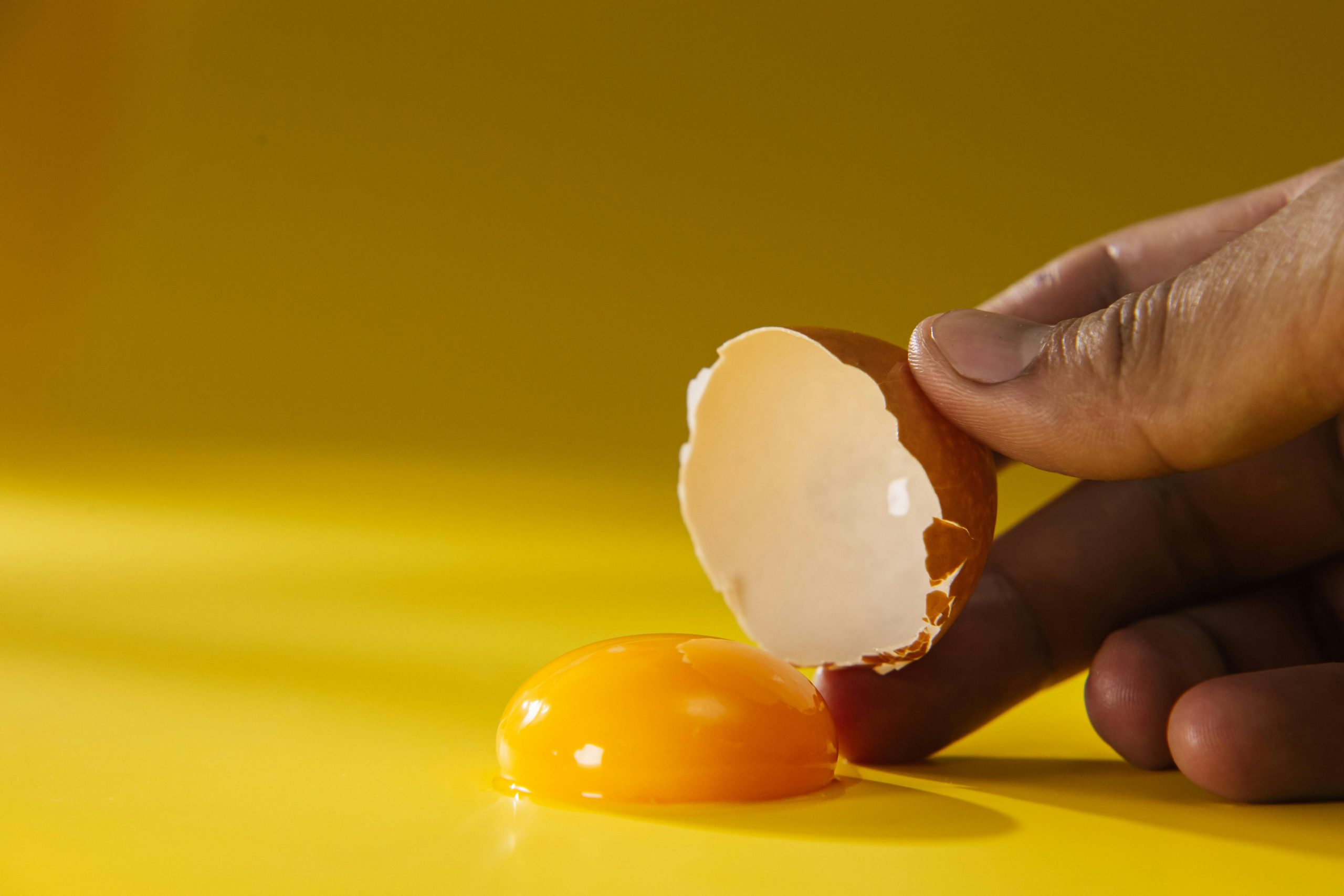
    food facts about eggs including color freshness and storage

    Credit:  Ron Lach / Pexels

    4. Eggs should not always be stored the same way once opened or cooked

    Whole eggs in their shells are handled differently from cracked eggs or cooked egg dishes. Once eggs are cracked, they become more sensitive to timing, storage, and temperature control. Cooked egg dishes also need careful handling because texture and safety both change after cooking.

    Food safety educators often stress that storage matters just as much as cooking method. Eggs left out too long, moved between temperatures too often, or stored carelessly after preparation may lose quality more quickly. Consistent handling supports better results in both taste and texture.

    5. Hard-boiled eggs are not always easiest with the freshest eggs

    This surprises many home cooks. Very fresh eggs can sometimes be harder to peel after boiling. Slightly older eggs may peel more easily, which is one reason some cooks prefer not to use the newest eggs for this purpose.

    Kitchen instructors often note that hard-boiled eggs involve more than just cooking time. Cooling method, shell condition, and egg age can all affect the final peel. This explains why peeling results can vary even when the cooking steps seem the same.

    6. Overcooking changes more than just texture

    Eggs respond quickly to heat, and overcooking can make them firm, dry, and less pleasant to eat. In boiled eggs, overcooking may also create a green-gray ring around the yolk. This does not usually mean the egg is unsafe, but it can signal that the heat or timing was too strong.

    Cooking teachers often explain that eggs continue changing even after direct heat stops. That is why cooling and timing matter so much. Gentle handling can improve both appearance and texture in simple egg dishes.

    7. Eggs behave differently in baking than they do in pan cooking

    In a frying pan, eggs are often judged by visible texture. In baking, their role is broader. Eggs can help bind ingredients, trap air, support structure, and add moisture. This is one reason egg substitutions can change baked results even when flavor seems similar.

    Food science educators often describe eggs as one of the most useful structure-building ingredients in the kitchen. For home bakers, understanding this can explain why cakes, muffins, and batters respond differently when eggs are added, beaten, or omitted.

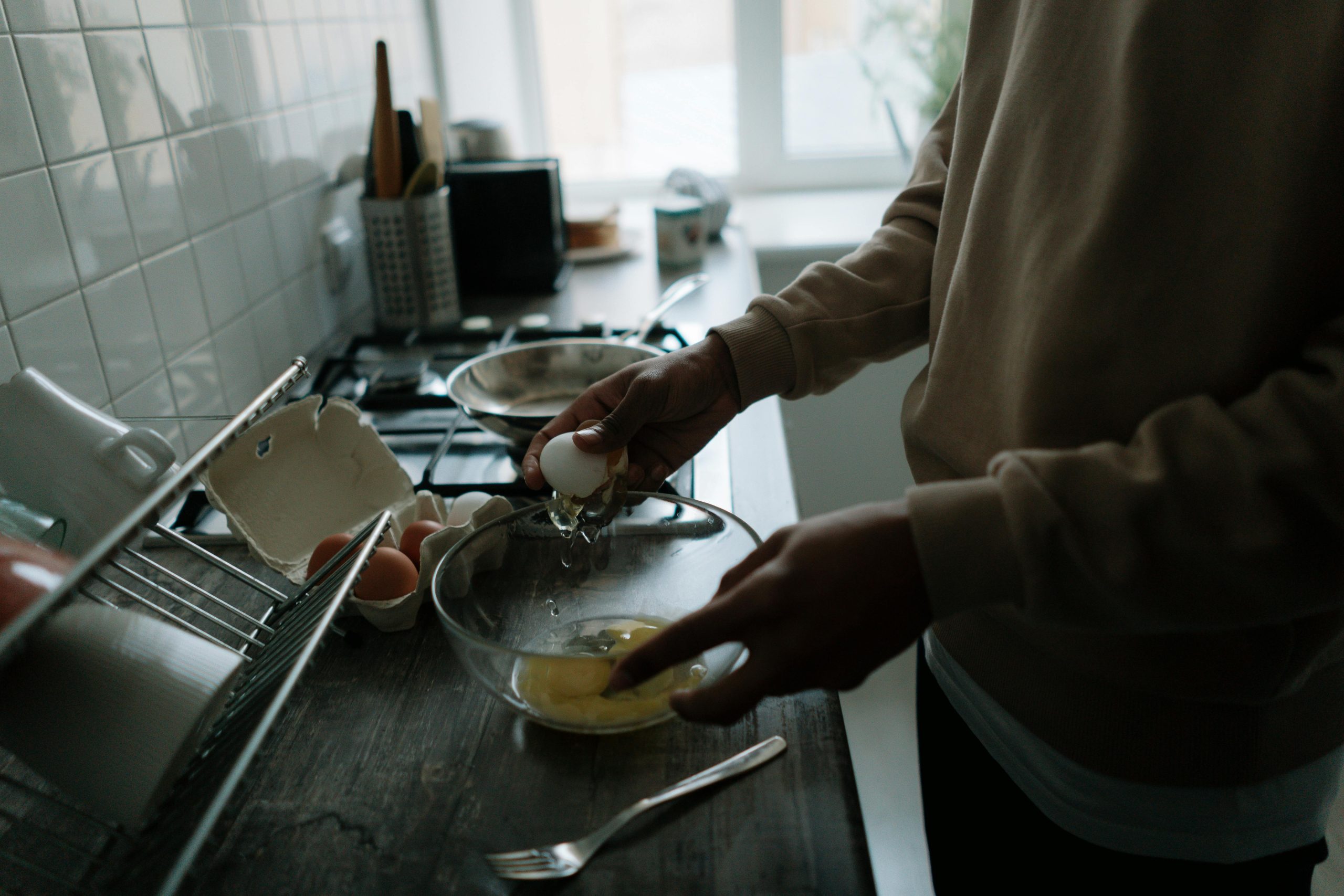
    food facts about eggs in baking and everyday pan cooking

    Credit:  cottonbro studio / Pexels

    Why do egg myths stay common for so long?

    Eggs are everyday ingredients, so many people learn about them through habit rather than formal instruction. A method that works once may be repeated for years, even if the explanation behind it is incomplete. This is common in home kitchens because practical habits often spread faster than food science facts.

    Food educators often encourage cooks to observe eggs closely during use. Texture, smell, handling, and cooking response can reveal more than old assumptions. This helps replace guesswork with a more useful understanding of how eggs really behave.

    Frequently Asked Questions

    Q: Are brown eggs better than white eggs?
    A: Not automatically. Shell color usually relates to the breed of the hen, not a major nutritional difference.

    Q: Does a darker yolk mean a better egg?
    A: Not always. Yolk color often reflects feed and appearance more than overall quality on its own.

    Q: Why are some boiled eggs hard to peel?
    A: Egg age, cooking method, and cooling can all affect peeling. Very fresh eggs can sometimes be harder to peel than slightly older ones.

    Q: Is the green ring around a boiled yolk dangerous?
    A: It is usually a sign of overcooking rather than danger. The egg may still be safe, but the texture and appearance can be affected.

    Key Takeaway

    These food facts about eggs show that shell color, yolk color, freshness, storage, and cooking method are often misunderstood in home kitchens. Eggs are simple to use, but they respond closely to heat, age, and handling. Understanding a few basic facts can make them easier to cook well and judge more accurately. For everyday meals and baking, better egg knowledge can improve both results and confidence.


    [INTERNAL LINKING SUGGESTIONS]

    • Cooking Basics Every Beginner Should Know About Eggs
    • Cooking Mistakes That Can Ruin Scrambled Eggs
    • Easy Meals That Use Eggs and Fresh Herbs