Food educators often point out that seasonal recipes work best when the main ingredient stands out rather than getting lost among too many additions. Apples fit this approach well. Their flavor remains distinct in simple dishes, and their texture shifts in useful ways depending on how they’re prepared—whether raw, baked, sautéed, or simmered.
Why do autumn apple recipes fit seasonal cooking so well?
Autumn cooking often leans toward ingredients that are comforting, practical, and easy to use again and again. Apples naturally fit this style. They can be part of quick snacks, warm breakfasts, baked treats, or simple dinners. They also pair easily with spices, grains, yogurt, nuts, and other ingredients commonly used during cooler months.
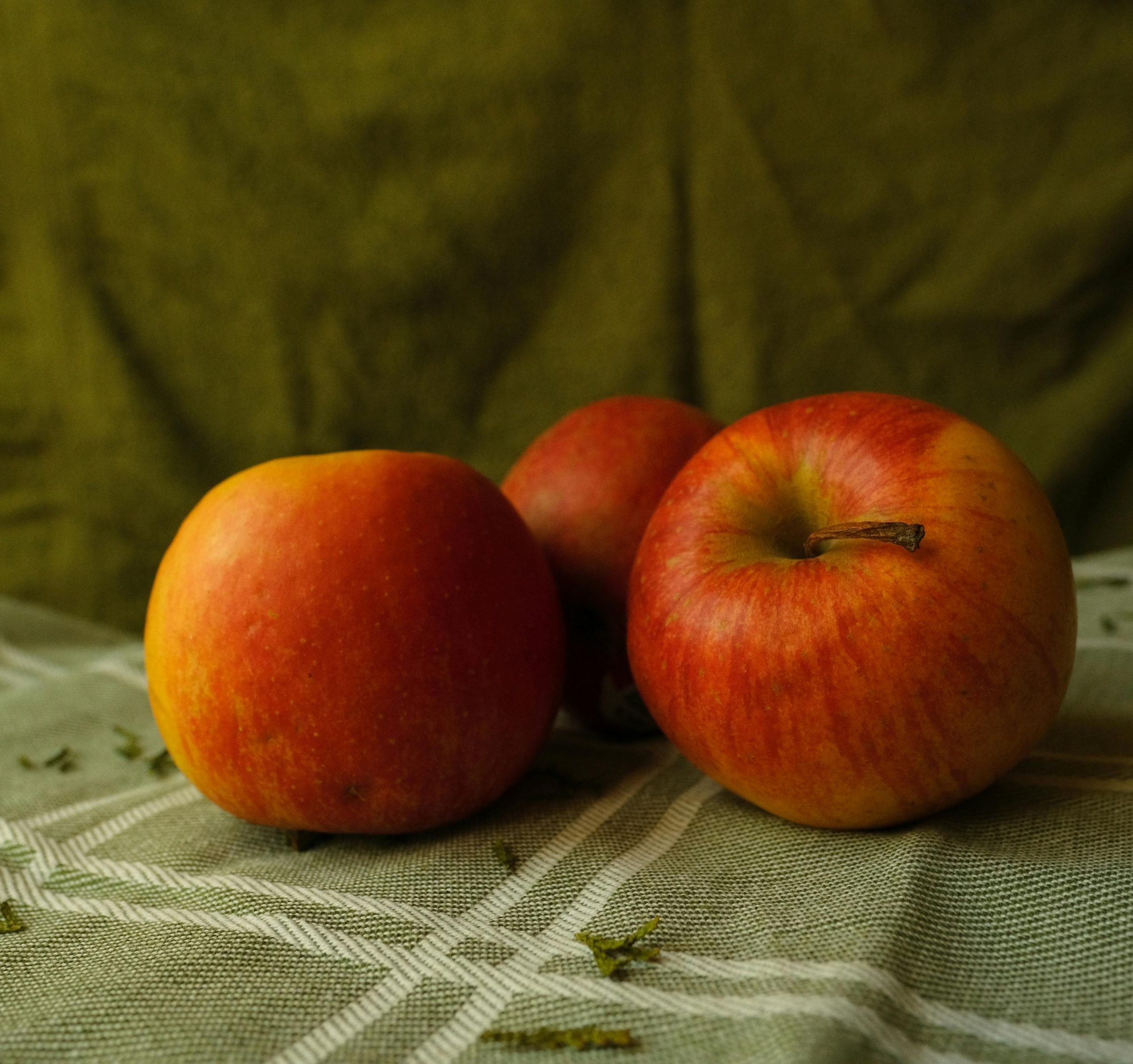
Fresh ingredient specialists often highlight how different apple varieties behave differently in cooking. Some keep their shape, while others soften quickly. This makes apples especially flexible, allowing home cooks to use them in a wide range of recipes throughout the season.
1. Baked apples are among the easiest autumn apple recipes
Baked apples are a great example of how simple seasonal cooking can be. They require very little preparation—just halved or whole apples, a light filling or seasoning, and some time in the oven. As they cook, their natural sweetness becomes more pronounced, making them ideal for a simple dessert or even a warm breakfast option.
Cooking instructors often recommend baked fruit recipes because they rely more on ingredient quality than technique. Apples are particularly well suited for this because they soften nicely while still holding their structure.
2. Apple and oat breakfast bowls keep mornings simple
Apples work naturally in warm breakfast bowls, adding both texture and gentle sweetness. They can be chopped and lightly cooked or used fresh, depending on the style you prefer. Combined with oats and simple seasoning, they create a breakfast that feels seasonal without being complicated.
Meal planning educators often support this type of recipe because it’s easy to adjust. The same apple-based base can be used across several mornings, making it practical for everyday routines rather than just occasional meals.
3. Autumn apple recipes also work well in salads
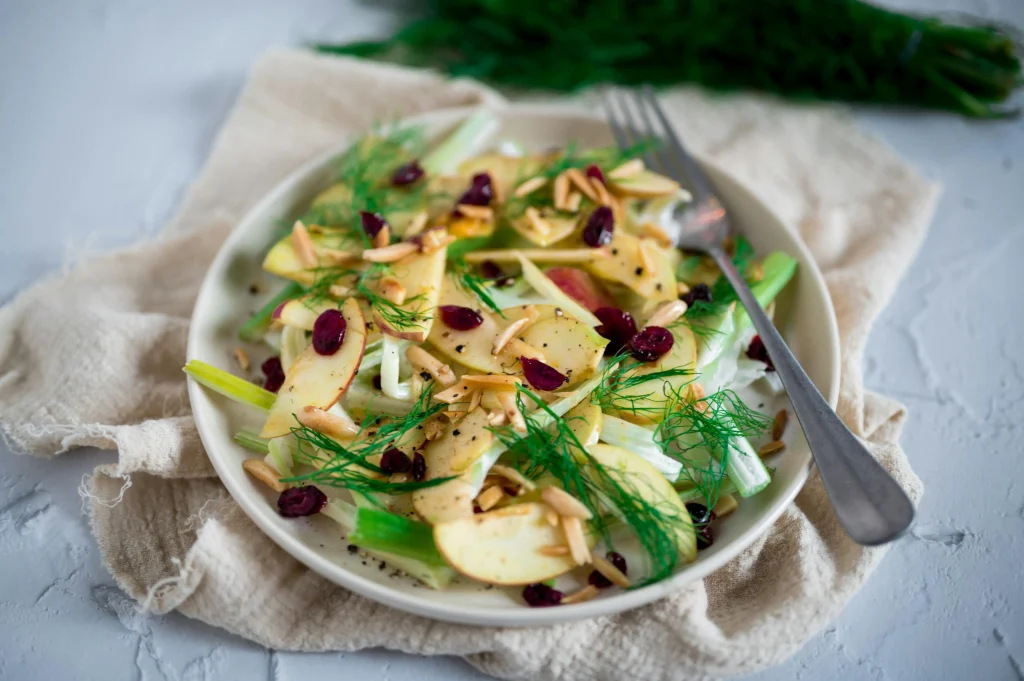
Not every autumn dish needs to be warm or baked. Fresh apples can add a crisp, refreshing contrast to salads made with greens, grains, nuts, or herbs. This balance becomes especially useful in cooler months, when many dishes tend to be softer and heavier.
Food writers often note that strong seasonal salads rely on contrast. Apples bring that crisp element while still fitting naturally into autumn flavors. This makes them a good choice for lighter lunches or dinners that still feel connected to the season.
Credit: eat kubba / Pexels
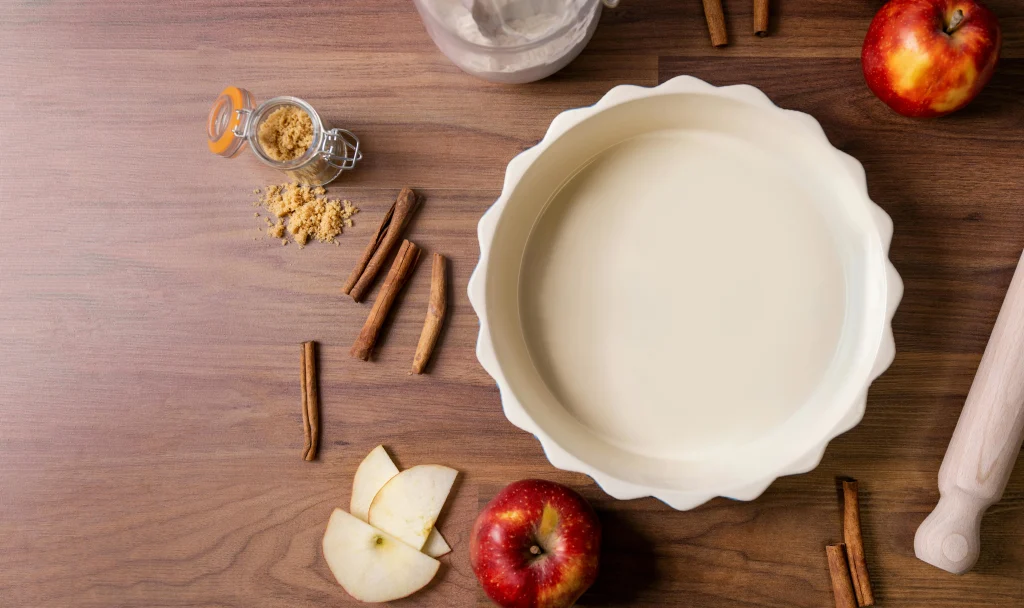
Credit: Georgie Devlin / Pexels
How should apples be chosen for seasonal recipes?
Not every apple behaves the same way once it is cut or heated. Some hold their structure better, while others soften quickly. Food specialists often encourage home cooks to think about the final use before choosing the apple. A firmer variety may be better for salads or roasting, while a softer one may suit sauces or bakes more easily.
It also helps to choose apples with a clear purpose instead of buying a large amount without a plan. Seasonal recipes become more practical when ingredients are tied to two or three likely meals rather than one idea only. This can reduce waste and make apples easier to use across the week.
Frequently Asked Questions
Q: What makes autumn apple recipes different from other apple dishes?
A: Autumn apple recipes often focus on seasonal use, warm meals, practical bakes, and ingredient pairings common in cooler months. They usually keep apples as a clear part of the dish rather than hiding them.
Q: Can apples work in savory meals?
A: Yes. Apples can add sweet contrast to salads, grain bowls, and roasted vegetable trays. Their texture and brightness can help balance heavier autumn ingredients.
Q: Do apples always need to be peeled?
A: Not always. That depends on the dish, the apple, and the texture the cook wants. Many simple recipes work well with the peel left on.
Q: Are autumn apple recipes good for meal prep?
A: Many are. Apple compote, baked apples, and light apple bakes can all be prepared in ways that support repeated meals through the week.
Key Takeaway
Autumn apple recipes are useful because apples fit naturally into breakfasts, salads, simple bakes, sauces, and savory trays. Their flavor and texture make them one of the easiest seasonal ingredients to repeat across different meals. Choosing the right style of apple for the dish can improve results and reduce waste. For everyday autumn cooking, apples remain one of the most practical ingredients to build around.
[INTERNAL LINKING SUGGESTIONS]
- How to Pick Fresh Lemons for Better Flavor in Everyday Cooking
- 6 Summer Tomato Recipes That Keep Cooking Simple and Fresh
- 7 Rice Bowl Meals That Make Busy Weeknights Easier