Cooking instructors often explain that steaming works by cooking vegetables with moist heat rather than direct contact with water or oil. Food educators also note that this method can help vegetables keep more of their shape and clear flavor when compared with harsher cooking styles. For home cooks, that makes steaming especially useful for simple side dishes, bowls, soups, and meal-prep ingredients.
Why is a guide to steaming vegetables useful in everyday cooking?
Many home cooks think steaming is too plain to be interesting, but that usually happens when the vegetables are overcooked or left unfinished after steaming. The method itself is not the problem. In fact, steaming can be one of the easiest ways to cook vegetables without covering up their natural texture. That is useful in everyday meals where balance matters more than heaviness.
Home cooking teachers often point out that steamed vegetables work especially well when the rest of the meal already has stronger flavor. Since steaming keeps the vegetables cleaner in taste, it can create contrast beside grains, sauces, soups, or richer main dishes. This is one reason the method remains practical even in modern everyday cooking.
What is the main idea in a guide to steaming vegetables?
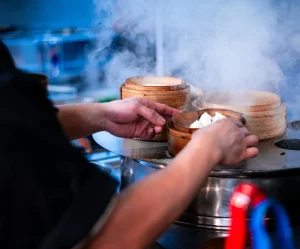
The main goal is to cook vegetables through gentle heat from steam rather than boiling them in water. This means the vegetables should sit above the water, not inside it. As the steam rises and surrounds them, the vegetables soften while still keeping much of their shape.
Food educators often explain that this difference matters because vegetables cooked directly in water may lose some of their character more quickly. Steaming can help protect texture and make the final result feel cleaner. It also gives the cook more control when the goal is tender vegetables that are not too soft.
This is why a guide to steaming vegetables should begin with understanding that steaming is not the same as boiling lightly. The vegetables are meant to be cooked by the steam itself, which changes how they behave and how the cook should judge doneness.
Which vegetables work well in a guide to steaming vegetables?
Many vegetables respond well to steaming, especially those that benefit from gentle cooking rather than heavy browning. Broccoli, green beans, carrots, peas, cauliflower, asparagus, and leafy greens are common examples. Some denser vegetables may need more time, while more delicate vegetables may soften quickly.
Cooking instructors often recommend grouping vegetables with similar cooking speeds together when possible. This helps the basket finish more evenly and makes it easier to avoid a mix of undercooked and overcooked pieces. Matching the vegetables to the method is often more useful than trying to steam too many very different items at once.
How should vegetables be prepared before steaming?
Preparation matters because vegetables that are cut very unevenly may not steam at the same rate. Smaller pieces soften faster, while larger ones may need more time. Cutting the vegetables with some consistency helps the basket cook more evenly and makes the final texture easier to control.
Fresh ingredient educators often suggest setting up the steamer and water before adding the vegetables. Once the steam is ready, the cooking can move quickly. A prepared setup makes the method calmer and reduces the risk of vegetables sitting too long after they have reached the right point.
Why does timing matter so much when steaming vegetables?
Vegetables can move from bright and tender to overly soft in a short time. This is one reason steaming sometimes gets a bad reputation. The problem is usually not the method itself, but cooking past the right point. Since the heat is moist and steady, the vegetables may continue softening quickly if the cook is not paying attention.
Food educators often explain that steamed vegetables are strongest when they still hold some life and structure. A little firmness is often more useful than a completely soft result, especially when the vegetables will be served with other parts of a meal that also have their own textures.
How can home cooks tell when steamed vegetables are ready?
The best sign is usually texture rather than time alone. The vegetables should be tender enough to eat comfortably, but not so soft that they collapse. Their color often becomes brighter as they near readiness, especially in green vegetables, but texture is still the more dependable guide.
Cooking teachers often recommend checking early rather than waiting until the vegetables seem obviously done. Since steaming can move quickly near the end, a small early check helps protect the result. This is especially important with delicate vegetables that do not need long cooking.
What common mistakes affect steamed vegetables?
One common mistake is letting the water touch the vegetables, which turns the method into partial boiling instead of steaming. Another is overcrowding the basket so the steam cannot move evenly. Some home cooks also wait too long to check the vegetables, which can leave them softer than intended.
Food educators often note that another problem is serving steamed vegetables without any thoughtful finish. Even when the texture is right, vegetables can still seem dull if they go straight from the basket to the plate with no final seasoning or fresh lift. Steaming works best when it is followed by a small finishing step.
How should steamed vegetables be finished?
Steamed vegetables often benefit from something simple at the end, such as herbs, citrus, pepper, yogurt, or another light addition that gives the vegetables a little more direction. The goal is not to hide the vegetables. It is to help them feel complete. A small finishing touch can turn a plain steamed side into something much more useful.
Meal planning educators often support simple finishes because they make repeated meals more enjoyable. A basket of steamed vegetables can therefore serve several purposes across the week. It may appear beside dinner one day and later move into a bowl, grain plate, or quick lunch with only a small change in finishing flavor.
Can steamed vegetables help with simple meal planning?
Yes, they often can. Steamed vegetables are practical because they can be prepared without much oil or heavy seasoning and then used in several ways later. This makes them a good base for bowls, lunches, or light side dishes. They are also easier to pair with different flavors than some more strongly cooked vegetables.
Home cooking teachers often explain that methods like steaming become more useful when they are seen as building blocks rather than final dishes only. That is one reason steamed vegetables remain a strong everyday option even for cooks who also enjoy roasting or sautéing.
Frequently Asked Questions
Q: What is the main purpose of steaming vegetables?
A: Steaming helps cook vegetables gently while protecting their texture and clear flavor. It can also keep them brighter and more balanced than harsher cooking methods.
Q: Are steamed vegetables always bland?
A: Not necessarily. Steamed vegetables often seem bland only when they are overcooked or left without a finishing touch. A little seasoning or freshness at the end can help a lot.
Q: How can home cooks tell if steamed vegetables are done?
A: The best guide is texture. The vegetables should be tender enough to eat comfortably while still holding some shape and structure.
Q: Can steamed vegetables be used in meals later on?
A: Yes. Steamed vegetables can be used in bowls, side dishes, quick lunches, and other simple meals across the week.
Key Takeaway
A good guide to steaming vegetables depends on gentle heat, thoughtful timing, and a simple finish that gives the vegetables direction without hiding them. Steaming works well because it can protect color, texture, and clean flavor in many everyday meals. The method is most useful when vegetables are checked early and served before they become too soft. For home cooks, this small skill can improve side dishes, bowls, and light meals in an easy and repeatable way.