
A useful guide to cooking millet can help home cooks make lighter grain bowls, side dishes, and simple meal-prep lunches with more confidence. Millet cooks into a soft but still useful grain that can work with herbs, vegetables, beans, eggs, and light sauces. Even so, it can still turn too wet, too heavy, or uneven when liquid balance and timing are not handled carefully. For everyday meals, a few clear habits can make millet much easier to use well.
Cooking instructors often explain that millet is practical because it cooks without much complexity while still giving home cooks a grain option beyond rice or oats. Food educators also note that millet can feel lighter than some other grain bases, which makes it useful in bowls and side dishes where balance matters. For busy kitchens, that combination of simplicity and flexibility can be very helpful.
Why is a guide to cooking millet useful for beginners?
Millet looks straightforward because it cooks in one pot and does not require a long ingredient list. That can make it seem foolproof. But like other grains, millet still responds closely to water, heat, and timing. A small change in method can shift the texture from light and fluffy to soft and dense.
Home cooking teachers often remind beginners that grain cooking is not only about getting the grain soft enough to eat. It is also about matching the final texture to the meal. Millet for a grain bowl may need a different finish from millet meant for a softer side dish. Thinking about that purpose early makes the method easier to trust.
What should home cooks know before following a guide to cooking millet?
Millet grains are small, and that means they can react quickly to changes in liquid and heat. They also have a texture that can move toward very soft if the cooking goes too far. This is one reason home cooks often get better results when they approach millet with the same care they would give to rice or quinoa rather than treating it like a grain that can be ignored.
Food educators often suggest thinking about the final use first. A cook planning a salad or grain bowl may want millet that stays more separate, while a softer warm dish may welcome a gentler finish. This choice shapes how the cook thinks about water and timing from the beginning.
It also helps to measure the grain and liquid carefully instead of relying only on guesswork. Millet does not need a difficult method, but it does respond well to a more steady and deliberate one.
Credit: Felicity Tai / Pexels
How much liquid matters in a guide to cooking millet?
Liquid balance is one of the biggest factors in millet texture. Too much can make the grain feel softer and heavier than the cook intended. Too little can keep it too firm or uneven. The goal is not simply to soften the grain, but to create a result that suits the final dish.
Cooking educators often explain that this is why millet should be matched to purpose. A bowl meal may benefit from millet that still feels a little separate, while a side dish may allow a softer finish. A balanced amount of liquid gives the cook the best chance of reaching the right point instead of trying to rescue the pot later.
What is the simplest method in a guide to cooking millet?
One simple method is to combine millet with measured liquid and let it cook at a steady, controlled heat. The grain should not be pushed too hard with aggressive boiling. Instead, it usually benefits from a gentler approach that allows the millet to absorb liquid steadily and more evenly.
As the grain cooks, the liquid level begins to drop and the millet softens. Cooking teachers often recommend watching for the stage when the grain has absorbed most of the liquid and is nearing the texture the cook wants. This is usually a better guide than depending only on time.
After the heat is turned off, millet often benefits from resting briefly before fluffing. This pause allows the moisture to settle through the pot and can make the texture more even. It is one of the simplest steps, yet it can noticeably improve the final result.
Why does resting matter after cooking millet?
Resting gives the millet time to finish settling without continued direct heat. Without that pause, some parts of the pot may feel wetter while others still seem slightly firmer. A short rest often helps the grain become more balanced and easier to fluff into a lighter texture.
Food educators often explain that resting is part of grain cooking, not an optional extra. This is especially true for grains like millet that can shift texture quickly if the cook tries to handle them too soon.
What common mistakes affect millet texture?
One common mistake is assuming millet will behave like every other grain. Another is using too much liquid because the cook worries the grain will stay too firm. Some home cooks also skip the resting stage and judge the pot too early, which can make the final texture seem less even than it would have after a short pause.
Cooking instructors often remind beginners that millet does not need complicated technique, but it does respond well to clear structure. Small adjustments in liquid, timing, and handling often matter more than any extra ingredient added later.
How can cooked millet be used in everyday meals?
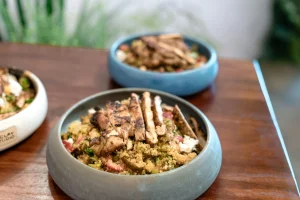
Cooked millet works well in grain bowls, simple salads, side dishes, and meals built around vegetables or beans. It can carry herbs and vinaigrettes well, and it can also support roasted ingredients in a more grounded meal. This makes millet practical for both warm and room-temperature dishes.
Meal planning educators often recommend grains that can move across several meals with little effort. Millet fits that role because a single pot can become a lunch bowl one day and a side dish the next. For home cooks, that flexibility makes it easier to use the grain regularly rather than only occasionally.
Credit: Asad Photo Maldives/ Pexels
Frequently Asked Questions
Q: What is the most important part of a guide to cooking millet?
A: Liquid balance and resting are two of the most important parts. They help millet become tender without turning too heavy or uneven.
Q: Why does millet sometimes feel too soft?
A: Millet often becomes too soft when it absorbs more liquid than needed or when it cooks longer than the final dish requires.
Q: Should millet always be served warm?
A: Not always. Millet can work well warm in bowls and side dishes, but it can also be useful at room temperature in salads and lighter meals.
Q: Is millet useful for meal prep?
A: Yes. Millet can support bowls, salads, and side dishes across several meals, which makes it practical for everyday planning.
Key Takeaway
A practical guide to cooking millet depends on careful liquid balance, steady heat, and a short resting stage before fluffing. These steps help home cooks get a lighter, more reliable texture for bowls, salads, and side dishes. Millet works well because it is simple, flexible, and easy to use across more than one meal. For everyday kitchens, it is one of the most useful grains to learn with confidence.