Cooking educators often explain that simple meals improve when one ingredient can solve more than one problem at once. Yogurt sauce does exactly that. It can cool a warm dish, soften something dry, add freshness to a heavy bowl, and make leftovers feel more current without requiring much extra effort. Once the basic pattern becomes clear, it is easy to repeat in different ways across the week.
Why is yogurt sauce so useful in everyday cooking?
Many everyday meals already have enough body. Grain bowls, roasted vegetables, beans, eggs, potatoes, soups, and toast meals often do not need more heaviness. What they usually need is contrast. Yogurt sauce provides that contrast in a very practical way. It feels cool, light, and flexible while still adding enough presence to matter in every bite.
Home cooking teachers often point out that a good simple sauce can make very ordinary ingredients feel more complete. The meal does not suddenly become complicated. It simply becomes easier to enjoy because the parts start helping one another more clearly.
Start by deciding what the sauce needs to do
A better yogurt sauce usually begins with a question: is the meal missing freshness, moisture, or a stronger finishing note? The answer shapes the sauce. Some dishes need a thinner sauce that spreads easily across a grain bowl. Others need a thicker spoonable finish that sits on roasted vegetables or toast. The yogurt may be the same, but the job changes from meal to meal.
Food educators often explain that sauces become more useful when they are built by purpose instead of habit. A yogurt sauce meant to cool a warm lentil plate does not need to behave the same way as one meant for a crisp lunch salad or a quick dinner toast.
Texture comes before flavor
Many people begin by thinking only about seasoning, but texture usually decides whether the sauce actually works. If it is too thick, it may sit on the plate without connecting anything. If it is too loose, it may slide away and leave the meal feeling watery instead of balanced. The best yogurt sauce usually feels intentional the moment it lands on the food.
Cooking instructors often note that a sauce should match the structure of the meal. A dense bowl may need something smoother and looser. A toast meal or roasted plate may need something that stays in place with more body. Once the texture is right, the rest of the sauce becomes much easier to shape.
Fresh ingredients often matter more than extra ingredients
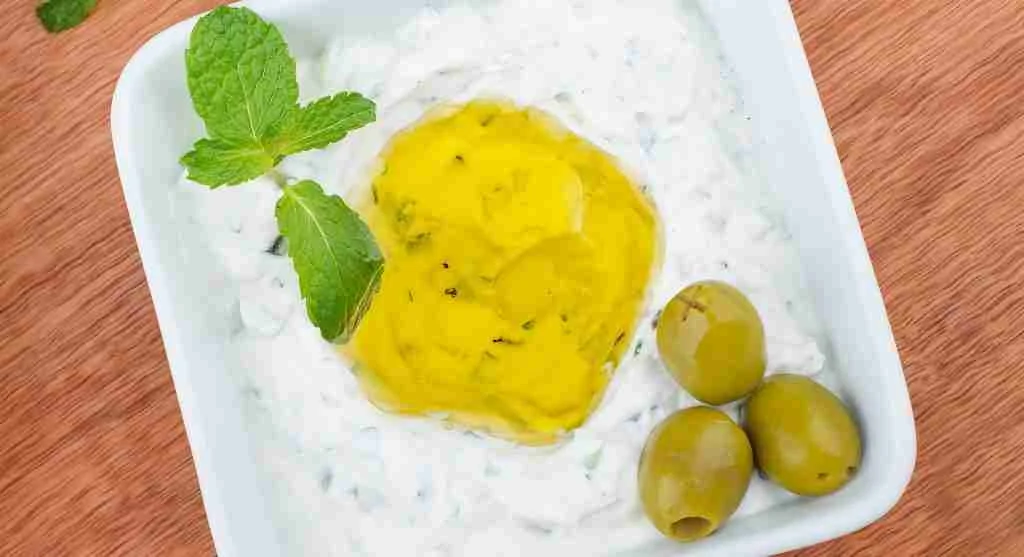
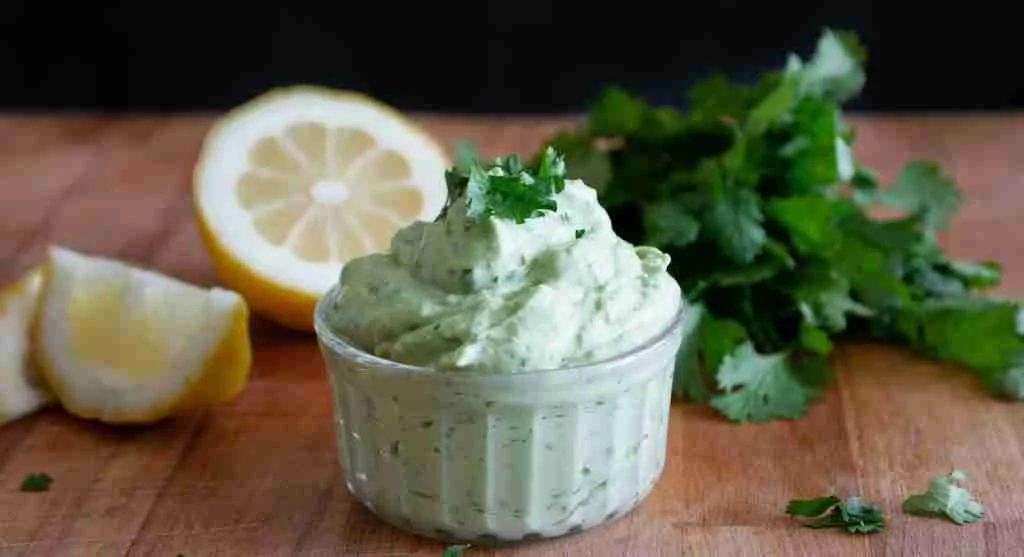
A yogurt sauce does not usually improve by becoming crowded. In many cases, one or two fresh ingredients do more than a long list ever could. Herbs, citrus, cucumber, pepper, or a small amount of garlic can all change the direction of the sauce without making it busy. This helps the meal feel brighter while keeping the sauce easy to repeat.
Fresh ingredient specialists often explain that sauces work best when the freshness stays readable. The yogurt should still feel like yogurt, only sharper, calmer, or more lifted depending on the meal.
How can one yogurt sauce work across different meals?
The easiest method is to think of yogurt sauce as a base that can shift. A simpler version can go over grain bowls, potatoes, beans, or roasted vegetables. A brighter version may suit lunch plates or cold bowls. A thicker version can support toast meals, wraps, or spoonable salads. This kind of flexibility is what makes yogurt sauce so practical in everyday cooking.
Meal planning educators often recommend sauces that can move from one meal format to another. A single bowl of yogurt sauce can often support lunch, dinner, and leftovers without needing to be remade from scratch each time.
When should yogurt sauce be added?
Timing matters because yogurt sauce often does its best work at the end. If it is mixed too early into a hot meal, it may lose some of the cool contrast that made it useful in the first place. When added later, it can keep more of its identity and change how the whole plate feels. This is one reason it works so well as a finishing layer instead of only a mixed-in element.
Food writers often describe yogurt sauce as a final balancing ingredient. It does not need to dominate the dish. It only needs to arrive at the right moment to bring the other parts together.
Why yogurt sauce often helps leftovers more than fresh dinners
Leftovers frequently become softer, denser, or more muted by the next day. Yogurt sauce can help because it brings back contrast without demanding a full rebuild. A leftover grain bowl, roasted tray dinner, beans, or vegetables can feel much fresher once a cool, sharp yogurt sauce is added at serving time.
Home cooking teachers often explain that some sauces are best for cooking, while others are best for reviving. Yogurt sauce is especially strong in that second role because it can make a stored meal feel more immediate.
What common mistakes weaken yogurt sauce?
One common mistake is leaving the sauce too plain and expecting it to do more than it can. Another is adding so many ingredients that the yogurt loses its clean role in the meal. Some home cooks also make a sauce that is the wrong thickness for the dish, which means it never really connects the plate. In many cases, the best correction is not more ingredients. It is a clearer purpose.
Cooking educators often remind cooks that simple sauces need direction more than complexity. A small amount of the right adjustment usually matters much more than several extra ingredients added without a plan.
How can home cooks make yogurt sauce feel different across the week?
The easiest way is to change only one part at a time. One day the sauce can lean more herbal. Another day it can feel brighter with citrus. Another version can be thicker and quieter for toast or roasted vegetables. This keeps the sauce familiar enough to stay practical while still helping meals avoid repetition.
Food educators often recommend repeating meal patterns instead of repeating meals word for word. Yogurt sauce fits that idea perfectly because it can stay recognizable while still changing enough to shift the whole plate.

Frequently Asked Questions
Q: What makes yogurt sauce useful for simple meals?
A: It adds cool contrast, moisture, and a fresh finishing note, which helps bowls, vegetables, beans, and toast meals feel more balanced.
Q: Does yogurt sauce always need many ingredients?
A: No. In many cases, one or two fresh ingredients and the right texture do more than a long ingredient list.
Q: Why does texture matter so much in yogurt sauce?
A: The texture decides whether the sauce can actually support the meal. A sauce that is too thick or too loose may not connect the plate properly.
Q: Can yogurt sauce help leftovers taste better?
A: Yes. It often brings back contrast and freshness, which makes leftover grains, vegetables, or beans feel more current and balanced.
Key Takeaway
Understanding how to make yogurt sauce for everyday meals is really about purpose, texture, and freshness. A well-made yogurt sauce can cool a warm plate, brighten a heavy meal, and make simple ingredients feel more complete without much extra work. The strongest versions are not crowded or overbuilt. They are clear enough to support the meal they are meant to serve. In everyday cooking, that makes yogurt sauce one of the most practical kitchen tools to keep in regular use.